Peugeot Introduces New Engine with Timing Chain Replacing Criticized Wet Belt
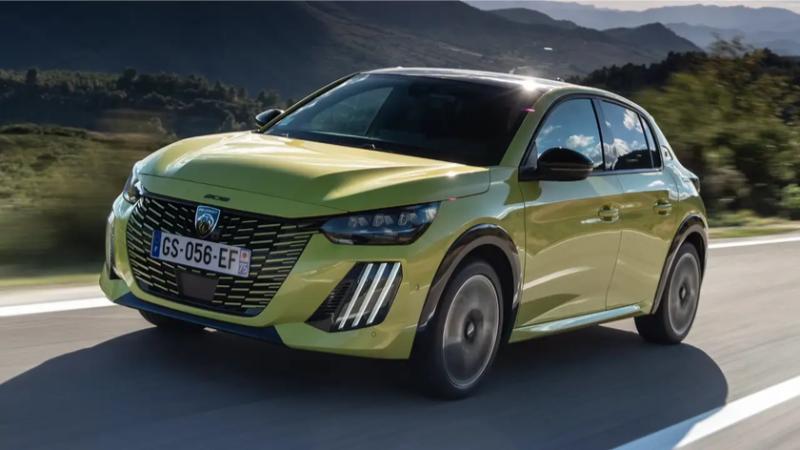
Peugeot has rolled out an important update for its best-selling models with a redesigned base gasoline engine set to appear in the 2026 model year. The popular 208 hatchback and 2008 crossover now feature this fresh three-cylinder unit, which keeps the familiar 100 horsepower output and pairs it with a six-speed manual gearbox. The biggest headline is the switch to a timing chain instead of the oil-immersed toothed belt that drew plenty of criticism in earlier versions. Owners and mechanics often pointed to concerns over the belt’s long-term durability and the potential costs tied to maintenance intervals.
This change comes from the Stellantis group, which oversees Peugeot, and it aims to boost mechanical reliability while cutting down on service requirements. The old wet belt system sparked debates because it could degrade faster under certain conditions, sometimes leading to expensive repairs if not addressed promptly. By moving to a chain, the engine promises greater longevity and peace of mind for drivers who rack up miles in varied situations. The redesign keeps the engine compact and efficient, making it a solid choice for urban commuting and longer trips alike.
Beyond the timing system upgrade, engineers reworked several components for better performance overall. The cylinder block received updates, the intake flow improved, and a variable geometry turbocharger now helps deliver smoother power. Thermal management enhancements ensure stable operation whether in stop-and-go traffic or on highways. These tweaks contribute to lower average fuel consumption, around 5.1 liters per 100 kilometers for the 208 and 5.7 liters for the 2008, while still meeting the strict Euro 6e-bis emissions rules. The adoption of the Miller combustion cycle optimizes valve timing and boosts thermal efficiency without sacrificing drivability.
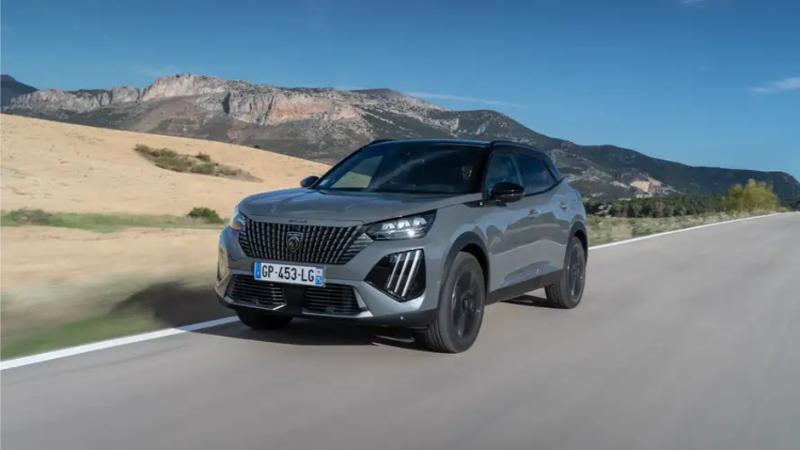
The new Turbo 100 engine drops the PureTech branding in this entry-level form, signaling a fresh start for the lineup. It joins other powertrain choices that already moved to chains in some cases, like the 48-volt mild hybrids offering 110 or 145 horsepower. Fully electric variants remain available up to 156 horsepower, and a sportier electric e-208 GTI with around 280 horsepower is on the way. For 2026, both the 208 and 2008 gain standard driver attention monitoring via a camera that spots signs of fatigue or distraction, aligning with upcoming European safety mandates starting in summer 2026.
This evolution reflects Peugeot’s response to real-world feedback and tighter regulations. The timing chain addresses one of the most talked-about weak points in recent years, making these models more appealing for buyers seeking low-maintenance reliability. Combined with efficiency gains and added safety tech, the updates position the 208 and 2008 as stronger contenders in their segments.
What do you think about Peugeot’s move to a timing chain in this new engine, and would it make you more likely to consider a 208 or 2008? Share your thoughts in the comments.