Porsche Suffers Largest Sales Decline In Sixteen Years As Electric Models Struggle
Porsche has reported its most significant drop in global vehicle deliveries since the financial crisis of 2009. The German luxury manufacturer announced that total sales fell by ten percent to roughly 279,000 units over the past fiscal year. This downturn marks a sharp reversal for the brand after it had enjoyed a long period of record-breaking growth and profitability. Executives at the company have attributed this slump to a combination of tense economic conditions and specific challenges related to their product transition.
The decline was most pronounced in the Chinese market which had previously been a reliable engine for growth. Deliveries in the region plummeted by twenty-six percent as the country grappled with a slowing economy and a crisis in the real estate sector. Intense competition from local manufacturers offering high-performance electric vehicles at lower prices also eroded the market share of established European brands. Consequently the United States has now surpassed China to become the largest single market for Porsche after posting stable sales figures.
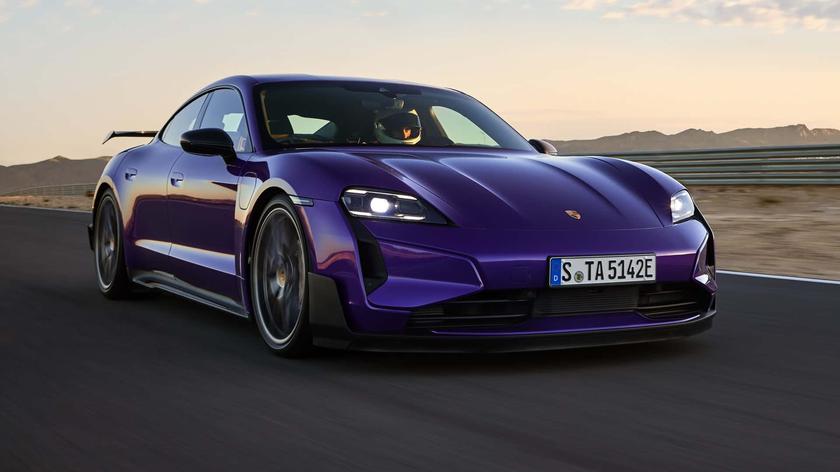
Electric vehicle performance played a central role in the overall sales contraction for the Stuttgart-based automaker. Global demand for the all-electric ‘Taycan’ cooled significantly resulting in a twenty-two percent drop in deliveries for that specific model line. The company also faced logistical hurdles regarding the transition of its popular ‘Macan’ SUV from internal combustion to electric power. Supply gaps and production updates created availability issues that hampered the potential for higher volume during the crossover period.
European sales were negatively impacted by regulatory changes that forced the early retirement of certain gas-powered models. The implementation of new cybersecurity regulations in the European Union meant that the internal combustion versions of the ‘Macan’ and the ‘718 Boxster’ and ‘Cayman’ had to be phased out earlier than originally planned. These regulatory pressures combined with the natural lifecycle end of the ‘718’ series caused deliveries for the entry-level sports cars to fall by twenty-one percent.
Despite the gloomy overall figures there were bright spots within the lineup that demonstrated the enduring appeal of the brand. The iconic ‘911’ sports car defied the negative trend and managed to increase its sales by one percent to set a new all-time delivery record. The ‘Macan’ also managed to retain its title as the best-selling model overall thanks to the introduction of its new electric variant. However the ‘Cayenne’ SUV lost its sales crown after experiencing a twenty-one percent decline compared to the catch-up effects seen in the previous year.
The company is now navigating a complex period where it must balance its heritage of combustion engines with an increasingly difficult shift toward electrification. Management has signaled that they will continue to prioritize value and exclusive positioning over chasing raw volume numbers in the near future. This strategy aims to protect profit margins even as the overall number of cars delivered faces downward pressure from global market instability.
Please share your thoughts on Porsche’s sales strategy and the future of their electric lineup in the comments.