Production Extended for One of the Worlds Most Beautiful Cars
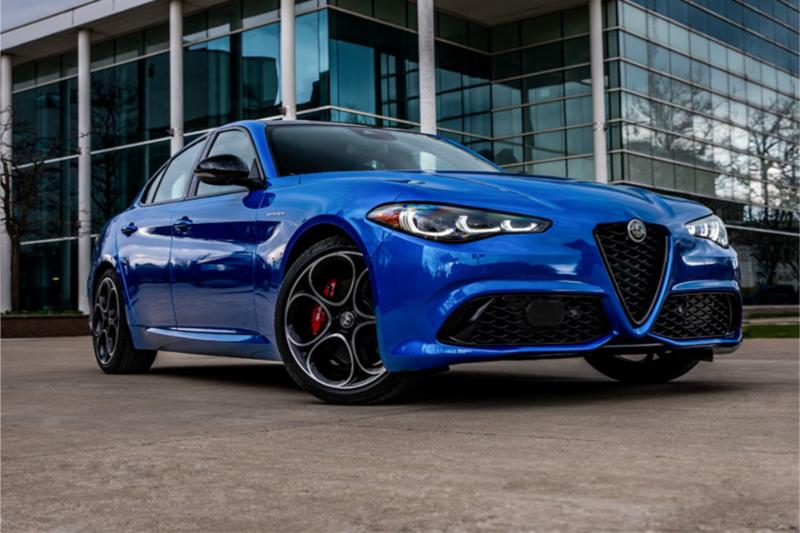
Automotive enthusiasts often debate which modern vehicle holds the title for the most aesthetically pleasing design, but the Alfa Romeo Giulia is frequently at the top of that list. Although this Italian sedan has been on the market for a decade, its visual appeal has not diminished with the passing of years. Fans of the brand will be relieved to hear that this masterpiece is not disappearing from showrooms anytime soon. Reports confirm that the manufacturer has decided to keep the model available to customers for a longer period than originally anticipated. This decision ensures that the legacy of the vehicle continues to thrive in a rapidly changing market.
The production of the Giulia is set to continue at the Cassino plant for at least another two years. This extension also applies to its SUV sibling, the Stelvio, which will keep rolling off the assembly lines until at least 2027. Both vehicles are built on the celebrated Giorgio platform, which was developed under the guidance of the late Sergio Marchionne. His vision was to create a car that truly reflected his personal taste and driving standards before his passing. The result was a chassis that delivered exceptional driving dynamics and rekindled the spirit of the brand.
While the original strategy for the Stellantis Group involved a complete shift toward electrification, market realities have forced a change in plans. The next generation of these vehicles was initially intended to be exclusively battery-powered as part of a broad commitment to become fully electric by 2027. However, the global demand for electric vehicles has grown at a slower pace than many executives predicted. Consequently, the brand has chosen to retain internal combustion engines in its lineup for the foreseeable future. This strategic pivot allows the company to cater to traditionalists who still prefer the sound and feel of a gas-powered engine.
Engineers are currently working on adapting the new STLA Large platform to accommodate classic internal combustion engines alongside electric powertrains. This flexibility is a significant departure from the previous mandate that focused solely on battery electric technology for future flagship models. Until the new generation is ready for launch, the current iterations of the Giulia and Stelvio will remain on sale without forcing buyers into electric propulsion. This move buys time for the brand to navigate the transitional period of the automotive industry while maintaining sales volume.
The continued availability of the Giulia serves as a testament to the timeless nature of its design and engineering. It remains a competitive option in the luxury sport sedan segment despite the influx of newer competitors. By extending the life of these core models, the manufacturer honors its heritage while pragmatically addressing current consumer behaviors. Drivers who have been hesitant to switch to electric power now have a renewed opportunity to own one of the last great driver’s cars of this era.
Please share your thoughts on the decision to keep the gas-powered Giulia and Stelvio alive in the comments.