Renault’s New Engine Offers Hope for Petrol Cars with Ultra-Low Consumption and Sustainable Fuel Compatibility
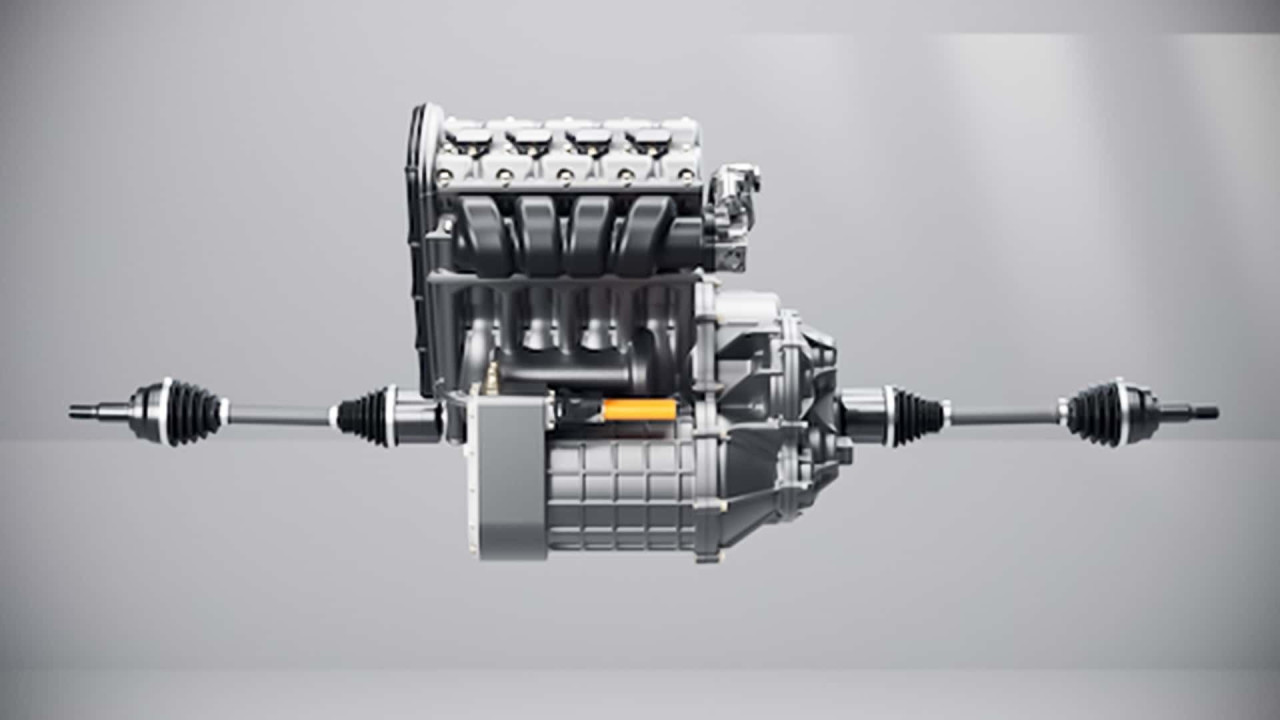
Renault’s joint venture Horse Powertrain has introduced an impressive hybrid engine concept that could breathe new life into traditional petrol-powered vehicles. Known as the Horse H12, this innovative powerplant builds on the existing 1.2-liter three-cylinder HR12 engine found in models like the Dacia Duster, the upcoming Bigster, and the latest Renault Clio. By achieving remarkable efficiency, it promises to make internal combustion engines far more environmentally friendly while keeping them relevant in an era dominated by electrification talks.
The standout feature of this engine is its exceptional fuel economy, with average consumption dipping below 3.3 liters per 100 km in hybrid configuration. That translates to more than 30 kilometers per liter, a figure that places it among the most frugal petrol engines ever developed. Engineers focused on minimizing internal losses and refining combustion processes to reach a thermal efficiency of 44.2 percent. When paired with hybrid technology, the setup delivers substantial reductions in fuel use compared to conventional engines.
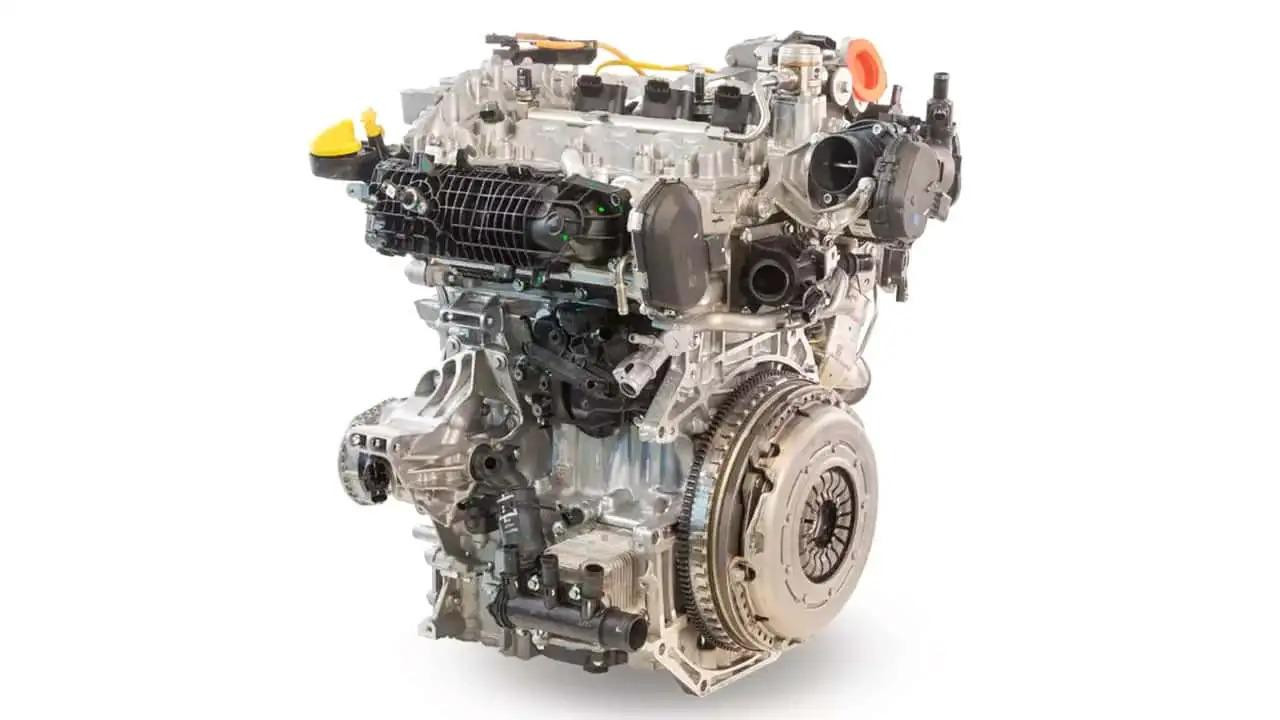
What makes this development particularly exciting is its ability to run on fully sustainable fuels produced by Repsol from biological sources such as agricultural waste, forest residues, and used cooking oils. These renewable gasoline alternatives, often called e-fuels, avoid crude oil entirely and drastically cut CO2 emissions when burned. In a mid-size vehicle equipped with the H12, the combination of hybrid efficiency and these green fuels could slash annual CO2 output by around 1.77 tons for someone driving about 7,800 miles a year. This approach supports a strategy of technological neutrality, allowing carmakers to pursue multiple paths toward lower emissions rather than betting everything on battery-electric vehicles.
Horse Powertrain, formed through collaboration between Renault, Geely, and Aramco, developed the concept alongside Repsol to push the boundaries of what’s possible with internal combustion. Two functional prototypes already exist, demonstrating real-world potential beyond lab conditions. The first showcase vehicle is slated to appear sometime this year, giving engineers a chance to validate the impressive figures in everyday driving scenarios. If everything checks out, it could pave the way for a new generation of highly efficient hybrids across Renault and Geely group lineups.
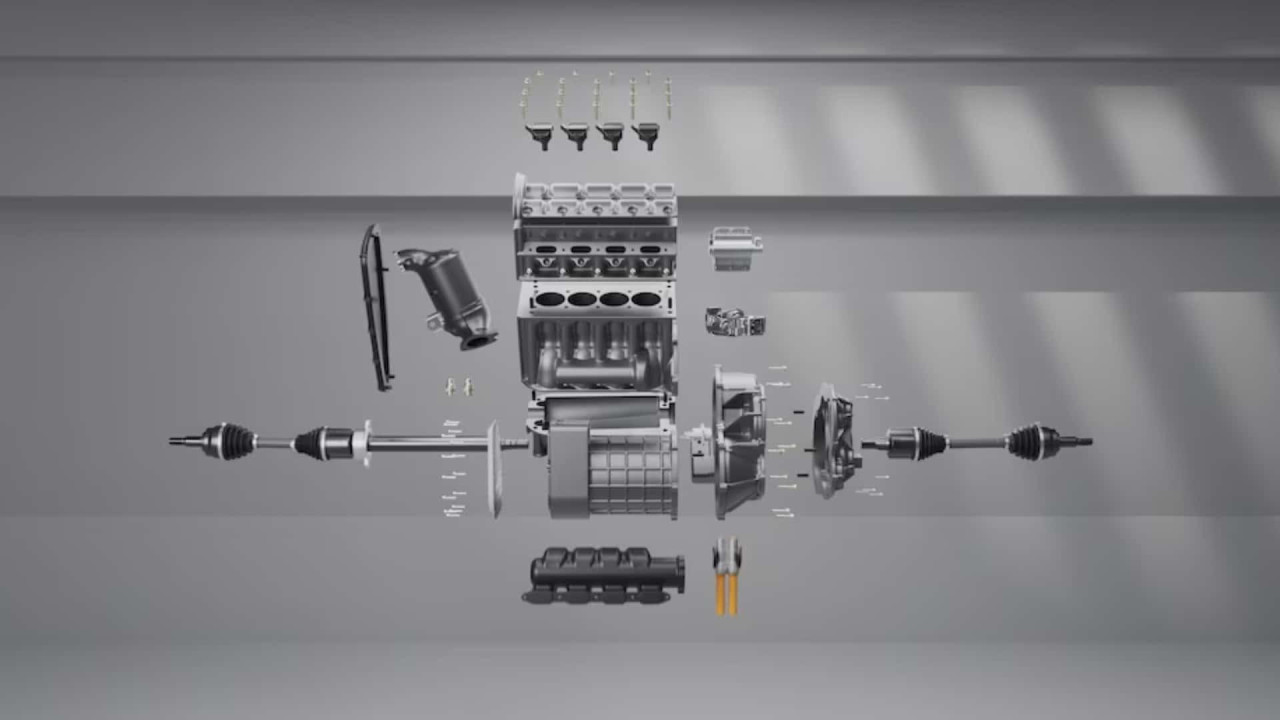
This engine represents a smart bridge to more climate-neutral mobility, especially as regulations tighten and electrification ramps up. By combining advanced hybrid systems with compatible sustainable fuels, it extends the usability of petrol cars without forcing abrupt shifts away from familiar technology. Drivers who enjoy the character of internal combustion engines now have reason to stay optimistic about future options that balance performance, efficiency, and reduced environmental impact.
What do you think about this ultra-efficient hybrid engine and its potential to keep petrol cars viable—share your thoughts in the comments.