Rust Is the Silent Killer of Bodywork Even on Newer Cars and How to Prevent It
Many drivers mistakenly believe that corrosion is exclusively a problem for vehicles that have been on the road for more than a decade. The reality is that rust acts as a silent killer for bodywork and can attack much younger automobiles if they are not properly maintained. It often starts in hidden areas where moisture and road debris accumulate unnoticed. Once the oxidation process begins it can spread rapidly beneath the paint before becoming visible to the naked eye. Ignoring the condition of the bodywork is a financial gamble that often leads to a significant drop in resale value.
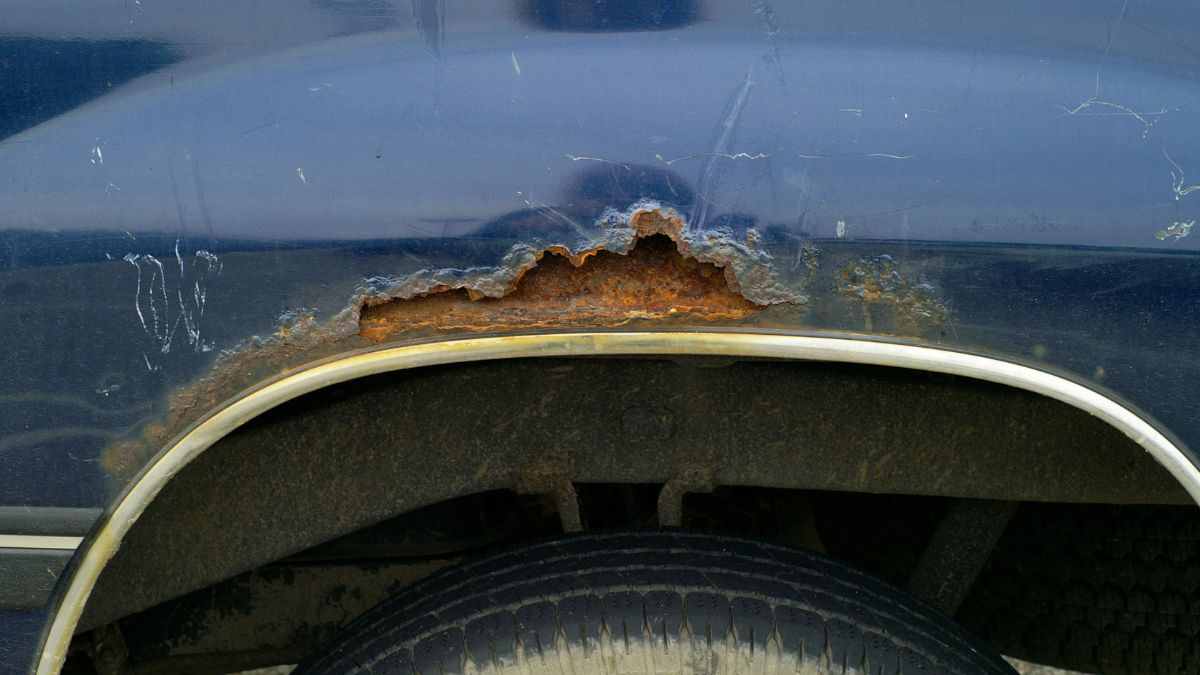
Modern manufacturing techniques such as galvanization have certainly improved the longevity of chassis components but they do not offer absolute immunity. A simple stone chip or a minor scratch from parking can breach this protective layer and expose the bare metal to the elements. Once that seal is broken the metal reacts with oxygen and water to create the dreaded orange plague. Even premium brands are not entirely exempt from this issue if the damage goes untreated. Owners of certain Japanese models or commercial pickup trucks often find themselves fighting this battle sooner than expected due to thinner factory protection.
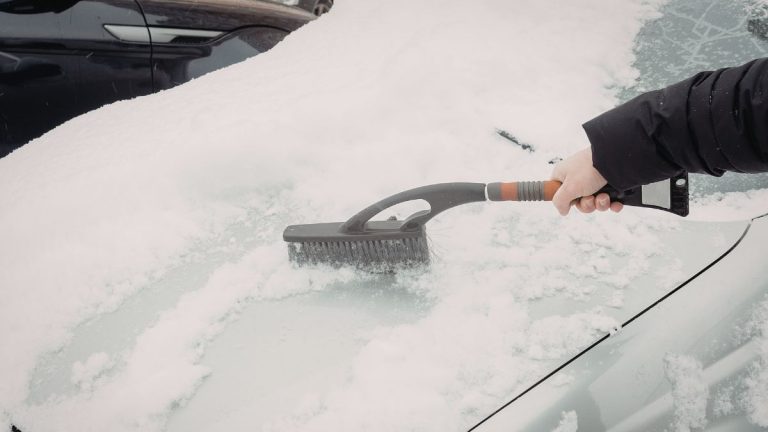
The winter months pose the greatest threat due to the heavy use of road salt which is highly corrosive to automotive metals. This saline slush gets trapped in wheel arches and undercarriage crevices where it eats away at the structure day and night. Regular washing of the underbody during the colder season is one of the most effective ways to mitigate this risk. Drivers should not wait for spring to rinse off the corrosive layers that build up during snowy periods. Leaving the car covered in salty grime is essentially inviting structural decay.
Effective protection often requires more than just cosmetic care and may involve professional application of cavity wax or bitumen coatings. These specialized treatments seep into the internal hollows of the chassis where water tends to pool and cause rot from the inside out. Checking the drainage holes in doors and sills to ensure they are not clogged is another vital maintenance step. Keeping these channels clear allows water to escape rather than sitting stagnant against the metalwork. A clogged drain is often the primary culprit behind rotted door bottoms.
Addressing corrosion at the very first sign of bubbling paint is crucial to saving the car from expensive structural repairs later. The repair process typically involves mechanically removing the infected area until only healthy metal remains. Chemical rust converters are then applied to neutralize any microscopic traces that sanding might have missed. This is followed by a high quality primer and paint to seal the surface against future intrusion. Ignoring these early warning signs usually leads to holes that require cutting and welding to fix.
Proactive maintenance is always cheaper than restorative surgery on the vehicle body. Inspecting the wheel wells and the bottom edges of the doors should be part of every regular service routine. Catching the problem while it is merely cosmetic makes the difference between a simple touch up and a failed safety inspection. Preserving the structural integrity of the car ensures safety for everyone inside the cabin.
Please share your own experiences with car rust and the methods you use to fight it in the comments.