Signs Of An Expensive Breakdown That Empties The Wallet When Replacement Time Arrives
Every driver fears the moment when a routine service visit turns into a financial nightmare due to a single component failure. There is one specific part that causes significant anxiety because its replacement cost is notoriously high and often comes as a surprise. The dual-mass flywheel is a component that many vehicle owners do not understand until it fails. Mechanics often struggle to explain why this heavy metal disk is so essential or why it costs so much to fix. Ignoring the early warning signs can lead to even more extensive damage to your vehicle’s transmission system.
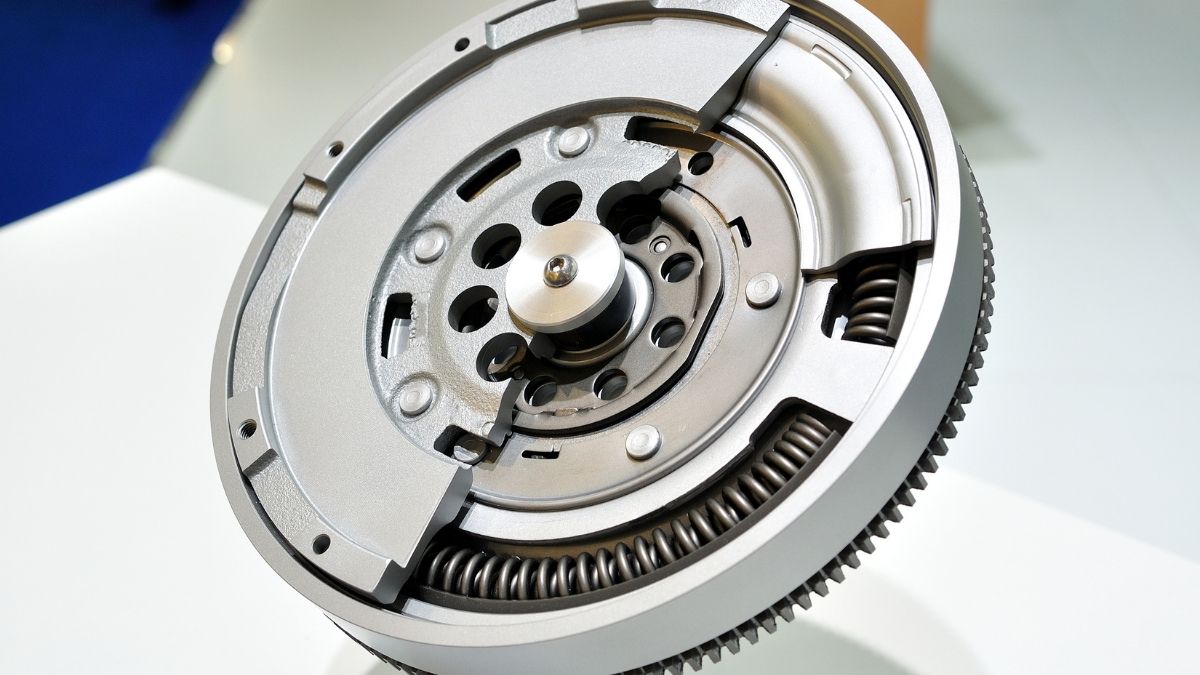
The dual-mass flywheel serves a critical function by sitting between the engine and the clutch to manage power transfer. Its primary job is to absorb the intense vibrations and torque spikes generated by modern diesel and high-performance petrol engines. A standard solid flywheel cannot dampen these irregularities effectively enough for modern comfort standards. This complex internal mechanism of springs and dampers is exactly what makes the part so expensive to manufacture and replace. When it wears out, the smooth operation of your vehicle deteriorates rapidly.
You can often detect a failing flywheel by listening for specific noises while the car is idling. A distinct metallic rattling or clanking sound that disappears when you press the clutch pedal is a classic symptom. You might also feel unusual vibrations resonating through the clutch pedal or the floor of the cabin. Another clear indicator occurs when you turn off the engine and hear a loud clunking noise as the rotation stops. These symptoms suggest that the internal springs have lost their tension and can no longer dampen the engine’s movements.
Driving habits play a massive role in how long this expensive component lasts before it needs attention. Many drivers unknowingly shorten the life of their flywheel by driving at very low engine revolutions to save fuel. This practice causes excessive vibration and stress on the dampening springs within the unit. Aggressive starts and rapid gear changes also contribute to premature wear and potential failure. Smooth driving and keeping the engine in its optimal rev range are the best ways to delay this costly repair.
The financial blow is often doubled because it makes sense to replace the clutch assembly at the same time. The labor required to access the flywheel is extensive and involves removing the entire transmission from the engine. Most mechanics will recommend changing the full kit to avoid paying for the same labor twice in the near future. This combination of parts and labor can easily push the final bill into a range that leaves your bank account empty. It is a harsh reality of modern motoring that increased comfort often comes with higher maintenance liabilities.
Have you ever experienced a failure of the dual-mass flywheel or had to pay for this expensive repair? Share your thoughts in the comments.