Smarter Cars, More Frustrated Drivers: Test Shows Just How Confusing Modern Controls Have Become
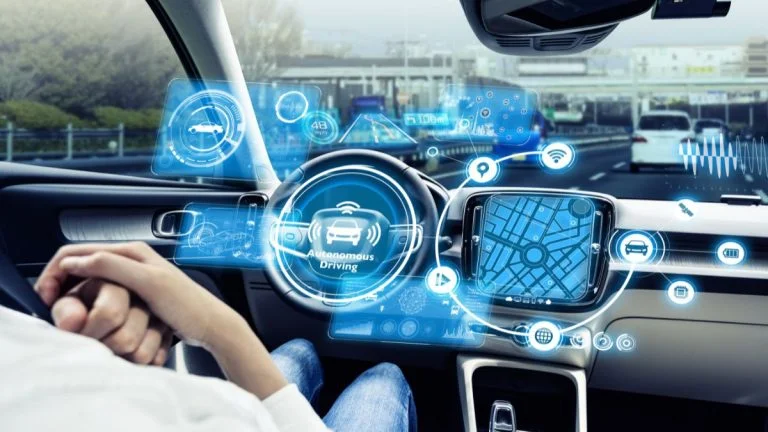
Modern vehicles pack in more advanced technology with each new model year, promising convenience and safety through features like touchscreen interfaces and driver assistance systems. Yet a recent hands-on evaluation has shown that these innovations often leave people feeling overwhelmed instead of empowered. In the assessment organized by a Dutch automotive publication together with a consumer television program, everyday drivers and industry professionals alike struggled with basic tasks that used to be second nature.
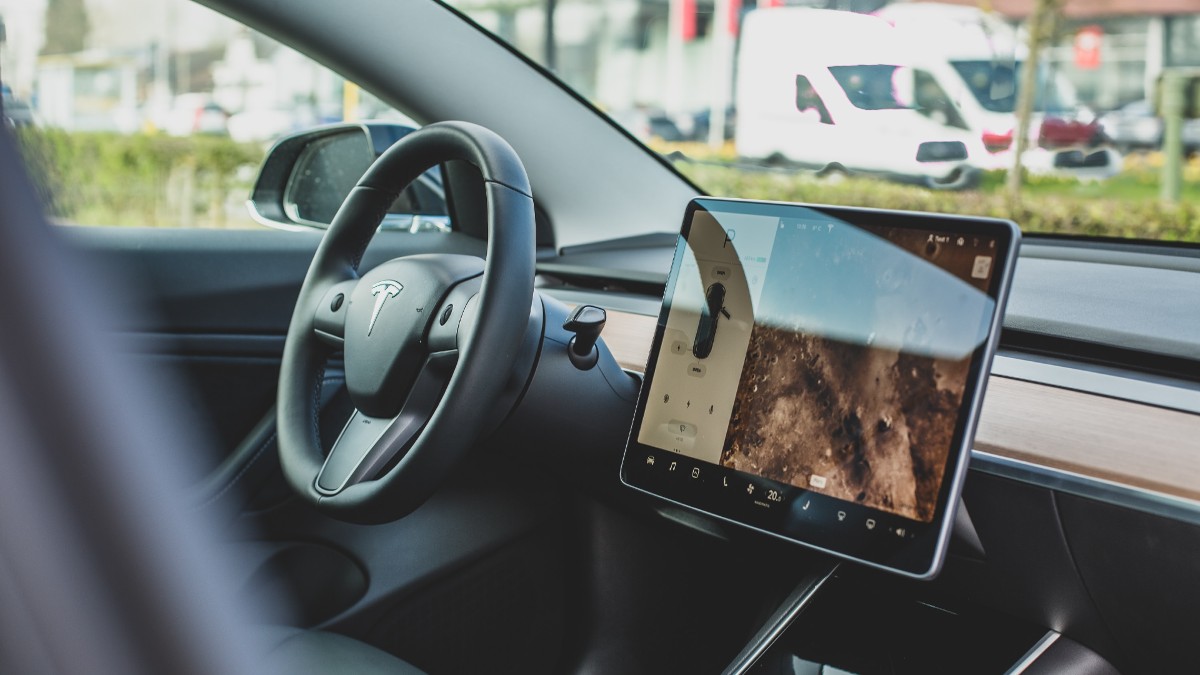
The evaluation brought together six participants with different backgrounds and levels of driving experience. They received no advance instructions or time to familiarize themselves with the vehicles before tackling three straightforward assignments on a secure closed course. The tasks included tweaking the cabin temperature, switching radio stations, and turning off particular safety features while keeping the car in motion. What emerged was a clear pattern of difficulty, as many functions that once relied on simple knobs or buttons now demand navigation through multiple layers of digital menus on large displays.
Participants frequently had to take their eyes off the road for extended periods just to locate the right setting. Simple adjustments like heating or cooling the interior, which drivers handled instinctively in older cars, turned into frustrating hunts through submenus. Radio controls presented similar hurdles, pulling attention away from traffic and sometimes forcing drivers to slow down for safety. The inconsistency across brands added to the challenge, with each manufacturer arranging options differently and burying key commands in unexpected places.
Safety-related systems proved especially problematic. Intelligent speed limiters and similar aids are designed to enhance protection, but deactivating them when needed often requires digging deep into hidden options. This variability means that someone comfortable in one vehicle might feel completely disoriented in another, even if both come from recent production years. The test highlighted how these complexities can increase stress during routine drives or critical moments, potentially compromising focus on actual road conditions.
Manufacturers incorporate these digital setups for practical reasons. The explosion of capabilities, from integrated navigation and phone connectivity to multimedia options and sophisticated assistance technologies, demands more space than traditional physical switches can provide. Software-based controls also cost less to implement and allow for over-the-air updates that keep features current without hardware changes. Despite these advantages, the evaluation confirmed that ergonomics sometimes take a back seat to added functionality, leaving many users longing for the tactile simplicity of the past.
On a brighter note, most drivers adapt fairly quickly once they spend consistent time with their own car. Familiarity builds over days of regular use, making daily operations smoother and less distracting. The real difficulties surface when renting a different model, borrowing a friend’s vehicle, or facing unfamiliar situations where quick access matters most. In those scenarios, convoluted interfaces can heighten frustration and distraction risks.
The broader message from this experiment is that automotive progress needs to balance innovation with user-friendliness. As cars grow smarter, prioritizing intuitive design remains essential for keeping drivers safe and satisfied behind the wheel. What experiences have you had with modern car controls that either impressed or irritated you in the comments.