Stellantis and Mercedes Plans Collapse: Grand Ambitions Reduced to One “Card”
The electric vehicle revolution in Europe promised a bright future with homegrown battery production leading the charge. Major players like Stellantis and Mercedes-Benz teamed up with energy giant Total to form Automotive Cells Company, known as ACC. Their goal was bold and clear, creating a strong network of gigafactories to power the shift away from fossil fuels. This partnership aimed to cut heavy reliance on Asian battery makers, especially those from China.
At the peak of their vision, three massive facilities were on the drawing board. One in France, another in Germany at Kaiserslautern, and a third in Italy at Termoli. Each was designed to churn out about 40 gigawatt-hours per year. That kind of capacity could have supported hundreds of thousands of electric cars annually for European brands.
Reality hit hard as demand for electric vehicles slowed down across the continent. Forecasts became more conservative, and market conditions shifted dramatically. As a result, the German and Italian projects got the axe officially. Reuters reported that these plans are now definitively shelved and archived for good.
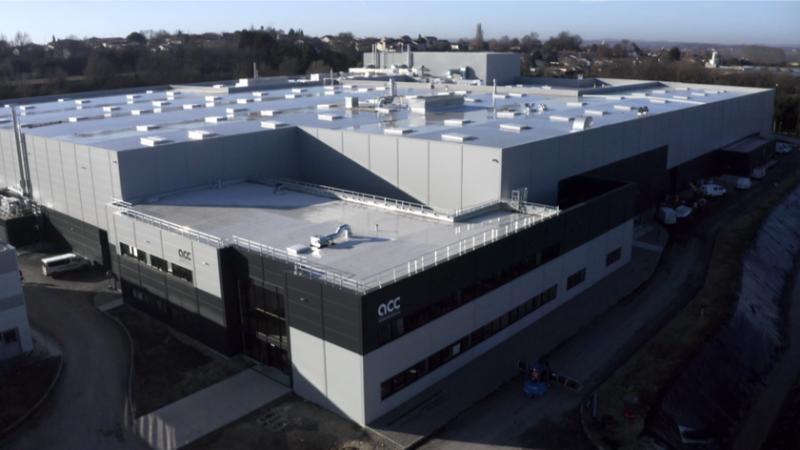
The only surviving piece is the French site in Douvrin and Billy-Berclau. Even here, things are moving slower than initially hoped. Instead of building out multiple high-capacity blocks right away, production ramps up step by step. It all depends on real orders coming in from the automakers involved.
This pullback fits into a larger pattern sweeping through Europe’s battery ambitions. Dozens of similar factory projects have faced delays or outright cancellations. Companies are rethinking investments amid uncertain growth in electric vehicle sales. The original push for industrial independence now feels far more fragile.
Chinese firms like CATL and BYD keep expanding without pause. They are even setting up their own operations on European soil. This aggressive move adds pressure to local efforts. It highlights how quickly the landscape can change in this competitive field.
Stellantis and Mercedes-Benz poured big hopes into ACC as a way to secure supplies. Reducing everything to just one operational factory changes the game entirely. It leaves their strategies hanging on limited output from France. The dream of a fully independent European supply chain has narrowed significantly.
Experts see this as a wake-up call for the industry. Adjusting to slower electric vehicle adoption means prioritizing flexibility over scale. Partnerships like this one show both the potential and the pitfalls of grand plans. What started as a trio of powerhouses is now betting on a single site to deliver.
The broader implications touch on policy and competition too. European leaders wanted to build autonomy in critical technologies. With projects folding, that goal faces new hurdles. Meanwhile, the transition to electric mobility continues, just at a more measured pace.
Stories like this remind us how dynamic the auto world remains. Ambitions can shrink overnight when consumer trends evolve. Stellantis, Mercedes-Benz, and Total now navigate this adjusted reality. Their experience offers lessons for others chasing similar paths.
What do you think about the challenges facing Europe’s electric vehicle battery plans, and how might this impact the future of driving? Share your thoughts in the comments.