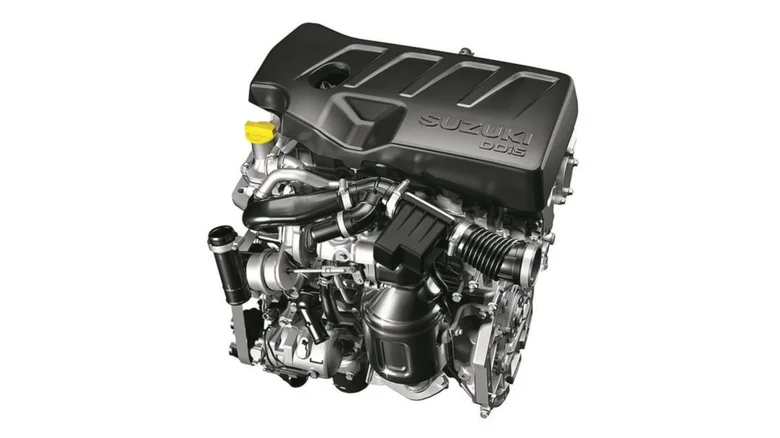
Suzuki Abandons $110 Million Diesel Engine Project
Suzuki invested approximately $110 million to develop a new 1.5-liter diesel engine designated E15A. Engineers designed the unit for compliance with stringent emissions standards across multiple markets. The project targeted applications in compact SUVs and passenger vehicles sold in India and Europe. Development progressed to prototype testing phases with promising efficiency metrics.
Company leadership halted the program one year after completion due to shifting regulatory landscapes. European authorities accelerated timelines for low-emission zones restricting diesel access in urban areas. Indian market demand pivoted toward gasoline, compressed natural gas, and hybrid alternatives. Suzuki prioritized resource allocation to electrified powertrains amid these changes.
The E15A featured advanced common-rail injection and turbocharging for reduced particulate output. Engineers achieved power ratings around 100 horsepower with torque exceeding 200 Nm. Fuel economy projections positioned it competitively against rival offerings from Hyundai and Fiat. Prototypes underwent durability validation covering thousands of test kilometers.
Suzuki shifted focus to hybrid systems derived from existing gasoline engines. The company expanded strong hybrid deployments across models like the Vitara and Swift. Compressed natural gas variants gained traction in fleet operations with lower operating costs. Electric vehicle planning advanced for entry-level segments targeting 2027 introductions.
This decision reflected broader industry trends away from diesel investment in passenger segments. Manufacturers faced escalating costs for compliance with Euro 7 and equivalent standards. Commercial vehicle applications retained diesel relevance with longer development cycles. Suzuki maintained partnerships for shared technology in larger platforms.
Maruti Suzuki, the Indian subsidiary, dominated market share through diversified powertrain offerings. Sales volumes emphasized affordable hybrids achieving over 40 mpg combined ratings. The company invested in battery production localization supporting future electric models. Network expansion included dedicated service facilities for alternative fuels.
Analysts noted the shelved project highlighted rapid evolution in propulsion preferences. Diesel penetration declined sharply in key Asian and European markets. Hybrid adoption accelerated with consumer emphasis on fuel savings without infrastructure dependence. Suzuki positioned for sustained growth through multi-path electrification strategy.
The E15A development represented near-complete engineering achievement abandoned for strategic reasons. Internal evaluations confirmed technical viability exceeding initial targets. Resources redirected to hybrid and electric programs aligned with projected demand patterns through 2030.
This outcome underscored challenges for standalone diesel development in volume segments. Manufacturers consolidated efforts around shared platforms reducing individual investment risk. Suzuki leveraged Toyota alliance access to proven hybrid components accelerating rollout timelines.
Industry observers anticipate continued diesel presence in premium and commercial applications. Passenger car focus shifted decisively toward partial and full electrification. Suzuki maintained competitive positioning through adaptive powertrain portfolio management. The decision preserved financial flexibility for emerging technology transitions.