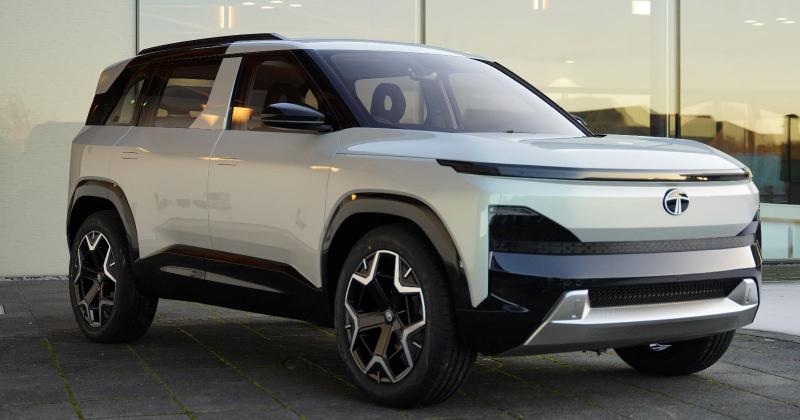
Tata Motors Announces Sierra EV and Punch Refresh Launches in 2026
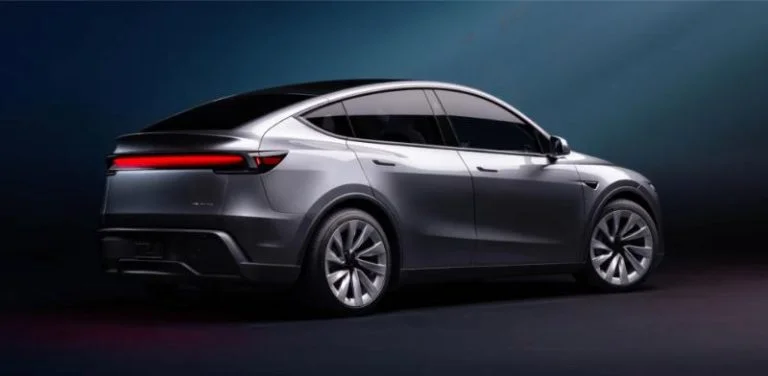
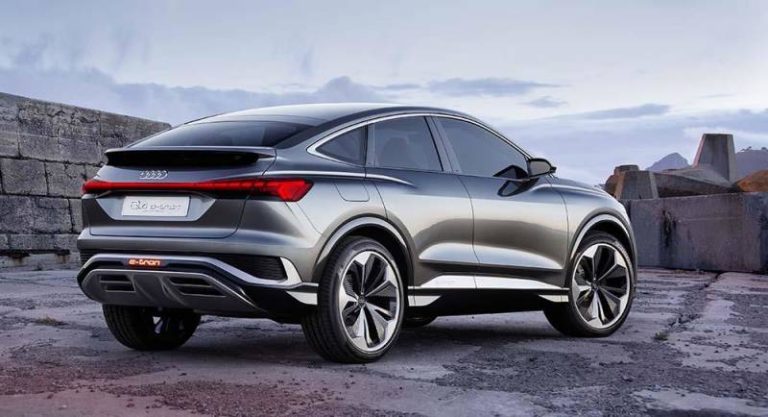
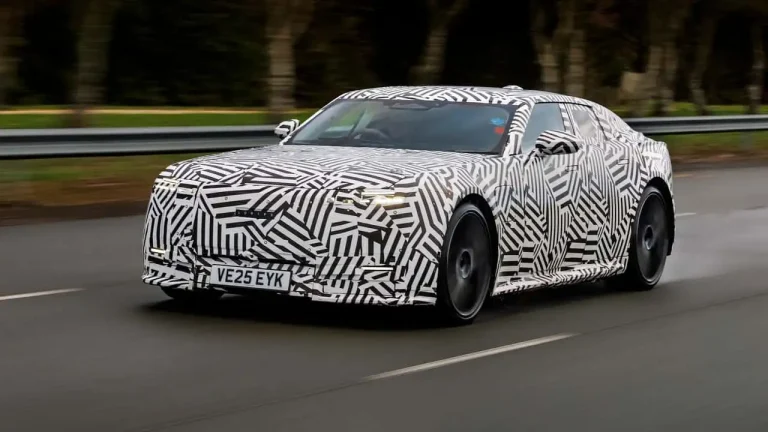
What if a revived classic SUV could return as a fully electric model while a compact bestseller receives updates to strengthen market position in the growing Indian EV segment? Tata Motors Passenger Vehicles has confirmed the Sierra EV will debut in calendar year 2026. This marks the resurrection of the Sierra nameplate originally produced from 1991 to 2000. The model targets buyers seeking retro-inspired design combined with zero-emission propulsion.
The Sierra EV adopts Tata’s Acti.EV architecture dedicated to pure electric vehicles. Battery packs range from 50 to 75 kilowatt-hours depending on variants for estimated ranges exceeding 400 kilometers under Indian testing cycles. Dual-motor all-wheel-drive configurations deliver up to 300 kilowatts of power. Fast-charging supports rates up to 150 kilowatts for 20-to-80 percent replenishment in approximately 30 minutes.
Concurrent with the Sierra, Tata plans a refreshed Punch micro-SUV including electric variants. The updated Punch incorporates revised exterior styling with new LED lighting signatures and alloy wheel designs. Interior enhancements feature larger touchscreen infotainment systems running Tata’s latest iRA connected car software. Safety equipment expands to include six airbags standard across higher trims.
Shailesh Chandra, Managing Director of Tata Motors Passenger Vehicles and Tata Passenger Electric Mobility, outlined broader electrification goals. The company commits to introducing five new electric models by fiscal year 2030. This portfolio expansion builds on current offerings like the Nexon EV and Tiago EV which dominate domestic sales charts.
Tata invests heavily in domestic battery production through its Agratas subsidiary. Gigafactories under construction aim for 20 gigawatt-hours annual capacity initially scaling to 50 gigawatt-hours. Vertical integration reduces dependency on imports while targeting cost reductions below $100 per kilowatt-hour.
The Sierra EV positions against competitors including the Mahindra XUV400 and upcoming Hyundai Creta Electric. Pricing expectations place entry variants around 15 lakh rupees with top specifications nearing 25 lakh rupees before incentives. Government subsidies under FAME schemes remain applicable for qualifying models.
This announcement reinforces Tata’s leadership in India’s passenger EV market holding over 60 percent share through November 2025. Cumulative sales surpass 250,000 units since the Nexon EV launch in 2020. Charging infrastructure partnerships with network operators support nationwide accessibility.
Tata’s strategy emphasizes scalable platforms shared across internal combustion, hybrid, and electric powertrains. The Sigma architecture underpins multiple body styles from sub-compact to mid-size segments. Over-the-air updates enable continuous feature additions post-purchase.
Market analysts project India’s EV penetration reaching 10 percent of new passenger vehicle sales by 2030. Tata’s accelerated timeline aligns with policy targets for 30 percent electrification across categories. The Sierra revival taps nostalgia while advancing sustainable mobility objectives.
Such developments demonstrate Indian manufacturers transitioning from importers to exporters of electric vehicle technology. Tata explores international markets for select models including right-hand-drive regions. Domestic focus prioritizes volume growth to achieve economies of scale.