Tesla Launches Europe’s First FSD-Powered Public Shuttle Service
A shuttle service utilizing Tesla vehicles equipped with Full Self-Driving (Supervised) technology has begun operations in Germany. This initiative operates in the rural Eifelkreis Bitburg-Prüm district within the state of Rhineland-Palatinate. The program marks the continent’s inaugural deployment of Tesla’s autonomous driving system for public transportation. Local authorities collaborated closely with municipalities and regulatory bodies to enable the rollout.
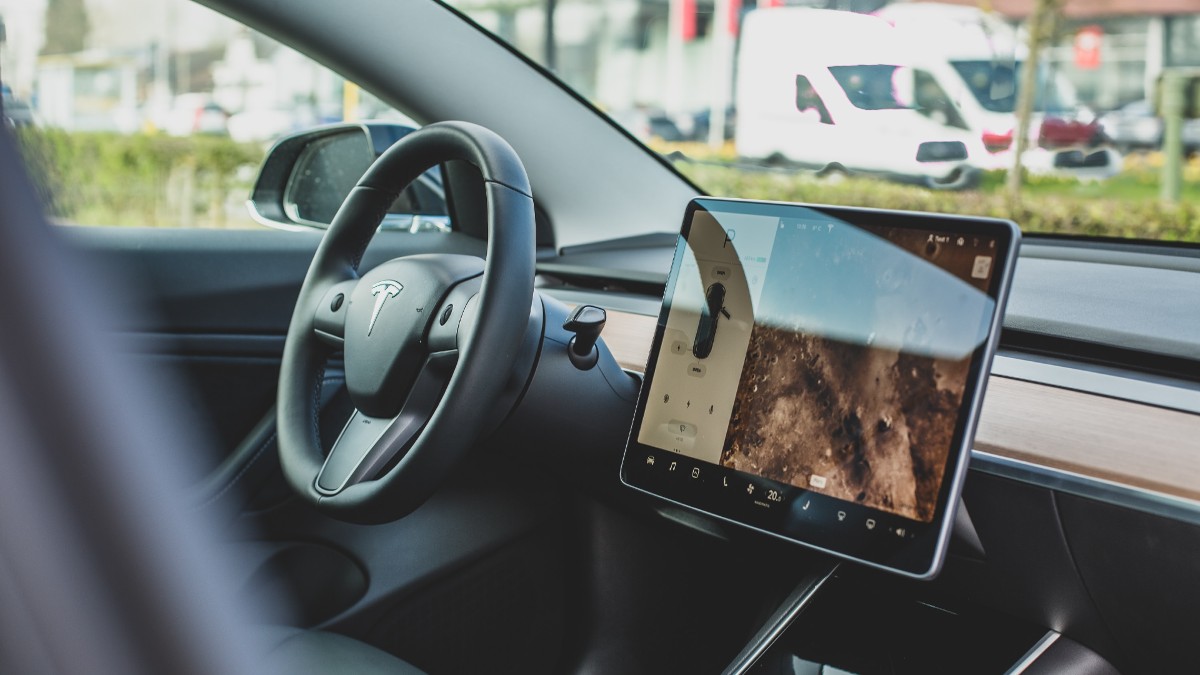
The Ministry for Economic Affairs, Transport, Agriculture and Viticulture of Rhineland-Palatinate announced the project as a significant advancement for mobility in less urbanized areas. The service complements existing community bus networks by providing on-demand rides. Tesla vehicles handle navigation, acceleration, braking, and lane management under the FSD system. Supervision remains required, aligning with current Level 2 autonomy classifications.
This deployment targets improved access for residents in regions with limited public transit options. Rural routes often feature narrow roads and variable conditions, testing the system’s adaptability. Officials noted the technology’s potential to supplement traditional schedules. The shuttle integrates into broader efforts to enhance connectivity outside major cities.
Tesla’s FSD relies on camera-based vision and neural network processing trained on extensive real-world data. The system processes surroundings in real time to execute driving tasks. European regulatory frameworks have historically posed challenges for advanced driver assistance deployments. Approval for this pilot demonstrates progress in aligning technology with regional standards.
The initiative positions Germany as an early adopter of supervised autonomous shuttles among EU nations. Similar programs in the United States have used FSD in controlled environments, such as airport loops. This European application expands the scope to public roads in a rural setting. Stakeholders view it as a model for addressing transportation gaps in non-metropolitan areas.
Ongoing monitoring will assess performance metrics, including reliability and user feedback. Expansion to additional districts remains under consideration based on initial results. The project underscores growing integration of autonomous features in public fleets. Tesla continues to refine FSD through over-the-air software updates drawn from fleet data.
This development highlights a practical application of autonomy beyond private ownership. Rural mobility solutions gain from flexible routing unavailable in fixed-line buses. The shuttle service represents a step toward broader adoption of supervised self-driving technology in Europe.