Tesla Model Y Tops German TUV Flop List with Highest Defect Rate
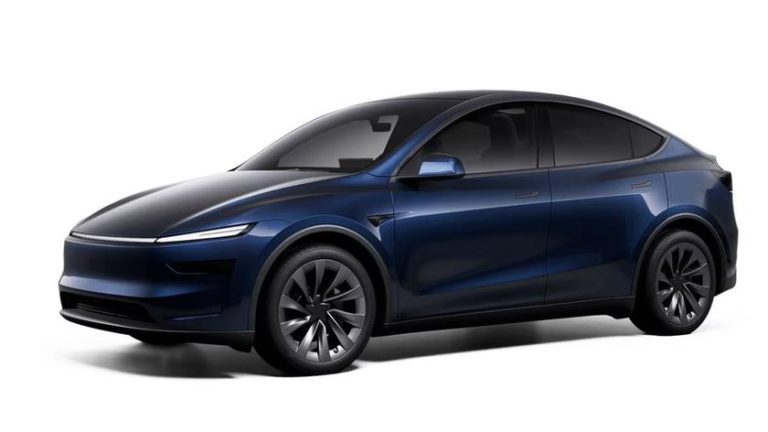
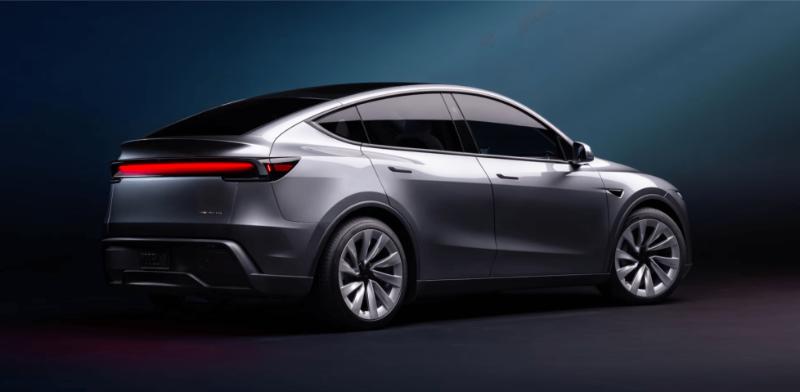
Tesla’s Model Y has clinched an unwanted crown in Germany’s rigorous TUV reliability report for 2026, landing dead last among two-to-three-year-old vehicles with the steepest defect rate in its class. The technical inspection body’s annual rundown, released today, flags the electric SUV for widespread issues across brakes, suspension, and electrical systems, painting a stark picture of quality woes for the world’s bestselling EV. This dismal ranking arrives as Tesla grapples with softening demand and production tweaks, forcing the company to confront whether rapid scaling has outpaced build integrity.
TUV inspectors scrutinized over 8 million vehicles nationwide, dissecting everything from rust to emissions compliance. In the compact SUV segment, the Model Y’s failure rate soared to 28.5 percent—eclipsing even budget rivals like the Dacia Duster at 22 percent and the Kia Sportage at 18.2 percent. Brakes topped the complaint ledger, with 12 percent showing wear beyond limits, followed by suspension bushings crumbling under urban potholes and erratic software glitches triggering warning lights. Owners report phantom braking and alignment drifts, echoing NHTSA probes in the US where similar faults prompted recalls for over 2 million units this year.
The fallout stings amid Tesla’s European slump. Sales dipped 15 percent year-over-year in Q3 2025, squeezed by subsidy cuts and fiercer competition from BYD’s affordable Seagull. Elon Musk’s push for cost reductions—trimming paint layers and simplifying interiors—may have backfired, as assembly lines in Grünheide churn out units with misaligned panels and finicky doors. Analysts at J.D. Power echo the verdict, noting Tesla’s initial quality score lagged 20 points behind segment averages in their latest study. Yet, Tesla defenders point to the Model Y’s seven-year battery warranty and over-the-air fixes as lifelines, arguing TUV’s conservative thresholds overlook EV-specific traits like regenerative braking stress.
This black mark ripples beyond Berlin. Insurers in Germany, already hiking premiums 25 percent for Teslas due to repair costs, now wield the report as leverage for steeper rates. Fleet managers, eyeing the Model Y for urban deliveries, pause amid downtime fears—downtime that could idle 10 percent more vehicles than gas counterparts. In a market where battery electrics claimed 16.4 percent share through October, per ACEA data, reliability doubts fuel hybrid resurgence, with Toyota’s Corolla Cross Hybrid acing TUV’s top spot at a mere 4.2 percent defect rate.
Tesla’s response? A defiant software update rolled out overnight, promising brake calibration tweaks and suspension diagnostics. But skeptics demand hardware overhauls, especially as the refreshed Model Y Juniper looms for 2026 with adaptive dampers and sturdier frames. Musk, ever the provocateur, tweeted a meme likening TUV to “DINosaurs,” but the quip masks deeper anxiety: with Cybertruck delays and Robotaxi hype, the Model Y anchors 60 percent of sales.
For the auto industry, this saga spotlights electrification’s Achilles’ heel. As legacy giants like Volkswagen tout 95 percent uptime in their ID.4, Tesla’s tumble underscores the peril of velocity over vigilance. Buyers, lured by 500-kilometer ranges and Autopilot allure, now weigh longevity against flash. In Germany’s autobahn crucible, where endurance trumps acceleration, the Model Y’s flop warns that green dreams demand ironclad execution. As TUV data filters to showrooms, expect sticker shock—not from price tags, but from post-warranty bills. Tesla’s path forward? Polish the machine, or risk rusting in the rearview.