The Aurus Factory Shuts Down and Sends Workers on Vacation
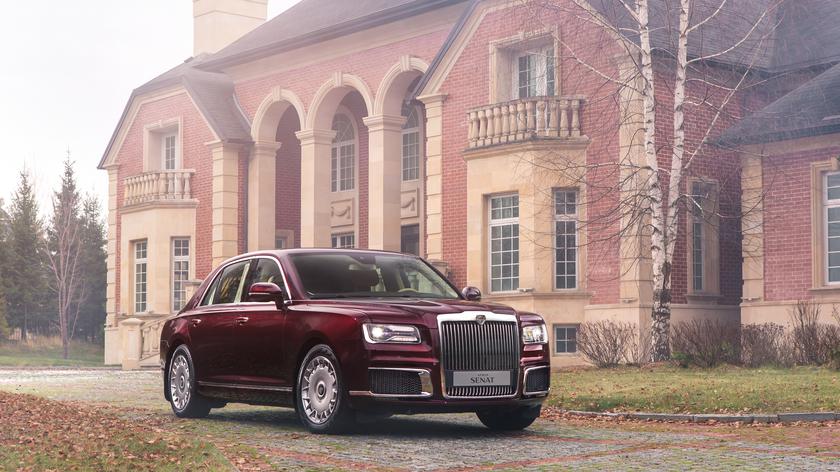
The Russian luxury car brand Aurus, often called the Russian Rolls-Royce, has hit a rough patch with its production line coming to a complete stop. At the factory in Elabuga, operations halted at the beginning of February, and the assembly of vehicles like the Senat has been paused until at least the end of March. Workers from the production lines received notice to take their annual leave, though they receive only about two-thirds of their regular pay during this time. The company explains the break as necessary for taking inventory and getting ready for an updated version of the Senat model.
Aurus launched as a proud state-backed initiative to build a high-end automotive marque that could rival global icons and serve both domestic buyers and export markets. The Senat model gained fame as the vehicle President Vladimir Putin uses, giving the brand strong visibility in official settings. Plans once included pushing sales into the Middle East and Asia, with ambitions for steady growth beyond government contracts. The brand emerged from a collaborative effort involving Russian engineering institutes and partners, aiming to showcase domestic capabilities in luxury vehicles.
Officially the shutdown ties to routine stock checks and preparations for the redesigned Senat, which should appear later in 2026. Some body components already come together with help from Sollers, yet full-scale production of the refreshed model remains months away. Such lengthy pauses for inventory and upgrades usually last far shorter periods than the current stretch. A buildup of partially finished Senat limousines sits at the plant, hinting at slower movement through the lines.
Many Russian automotive experts and bloggers point to deeper problems behind the official story. Demand appears to have weakened significantly, with sales dropping to just a couple of cars each month on average during 2025. Only a few dozen vehicles found buyers last year, far below earlier expectations for the brand. Sanctions, restricted production scale, and steep pricing have made it tough to attract more customers outside elite circles. This slowdown leaves the factory with excess unfinished stock and raises questions about future output levels.
Projections for the current year suggest Aurus might produce around sixty vehicles total, marking a sharp cut from previous targets. The pause reflects broader struggles for a project meant to symbolize Russian engineering prowess in the luxury segment. While the Senat continues to serve high-profile duties, civilian sales have not kept pace with initial hopes. The brand faces ongoing challenges in a market shaped by economic pressures and limited international reach.
What do you think about the future of Aurus as Russia’s luxury car contender? Share your thoughts in the comments.