The Collapse of a Century-Old Business: Mass Closures of Gas Stations Have Begun in the Netherlands
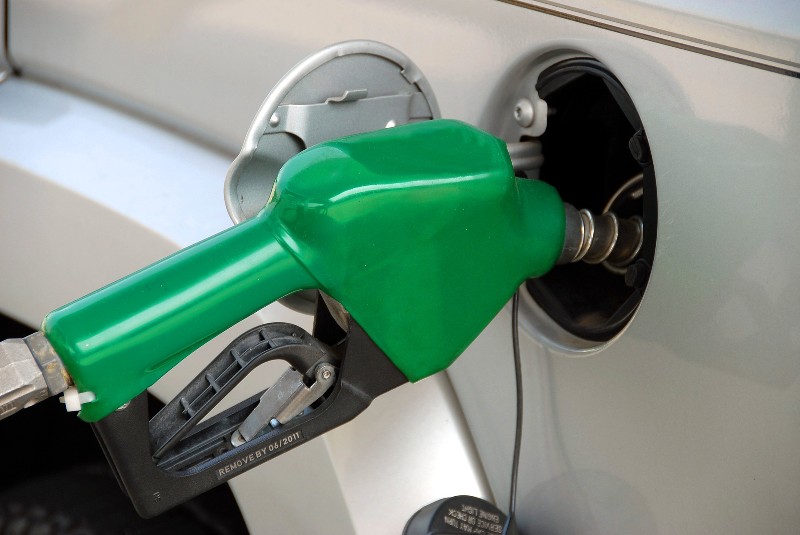
The traditional gas station business, a staple for over a hundred years, faces serious challenges in the Netherlands as the shift to electric vehicles accelerates. Major players are rethinking their networks, closing underperforming sites and adapting to new realities. One clear example comes with the Gulf brand exiting the Dutch market entirely. Its operator, Enviem, announced that the remaining 18 stations will phase out the Gulf name and transition mostly to the Tinq chain, though some franchise owners might pick different partners.
This change reflects deeper shifts in the fuel retail landscape. Rising labor costs make staffed stations expensive to run, while declining tobacco sales remove a reliable profit stream. Fuel demand drops as more drivers choose efficient or fully electric cars. The Netherlands leads Europe in electrification, with a growing number of electric vehicles on the roads and an expanding network of charging points. These factors squeeze margins for classic pump-and-shop locations that rely heavily on fuel volume.
Industry observers point to a broader European trend where large energy companies restructure operations. They close unprofitable stations and pivot toward automated, self-service models that cut costs and offer competitive pricing. Some sites evolve into hubs with fast chargers, convenience stores, or even logistics functions. Traditional branded outlets with full staffing become less common as the market favors efficiency. Gulf’s departure stands out because the brand once symbolized automotive culture and motorsports, yet it struggles to survive in a rapidly changing environment.
Similar pressures appear elsewhere, though the Netherlands shows particularly fast progress. Predictions suggest up to half of the country’s roughly four thousand stations could vanish within the next five to ten years. Experts from banking research note that fuel sales will hold steady for a short while before dropping noticeably after 2025. Big names like Shell, BP, and others might weather the storm better by adapting early. Shell itself has plans to shutter hundreds of locations globally as it invests more in charging infrastructure.
The move toward electrification reshapes not just where people refuel but how the entire sector operates. Unmanned stations and integrated charging become the new standard. Drivers encounter fewer familiar pumps and more options for quick electric top-ups. This transition signals the end of an era for many independent operators who cannot keep up with the changes. Smaller or less strategic sites face the highest risk of closure.
The pace feels sudden to some, but it builds on years of gradual electric vehicle growth and policy support for cleaner transport. The Netherlands sets an example that other markets might follow soon. The old model of gas stations as simple fuel stops no longer fits a world prioritizing sustainability and convenience.
What do you think about the future of gas stations in your country as electric vehicles become more common? Share your thoughts in the comments.