The Cost of Driving 200,000 Kilometers with Diesel, Electric, or Hybrid Power
When considering a long-term drive of 200,000 kilometers, many people wonder which powertrain truly saves the most money over time. A detailed comparison of mid-size cars starting at the same price reveals that energy costs alone do not tell the full story. Factors like maintenance, depreciation, and real-world usage play major roles in the final tally. The analysis assumes identical starting vehicles priced around $43,000, with typical mixed driving over roughly eight years.
Diesel vehicles often appeal to those who rack up highway miles thanks to their efficient fuel use. In this scenario, a diesel model consumes about 5.5 liters per 100 km, leading to fuel expenses of approximately $17,500 for the full distance. Maintenance runs higher due to oil changes, complex emissions systems, and more frequent brake wear, totaling around $6,000. Depreciation hits hard as environmental regulations pressure older diesel values, dropping resale to 30-35 percent of original price. Overall, the cost per kilometer lands near $0.26.
Hybrids strike a balance by combining gasoline efficiency with electric assistance for city driving. Fuel costs drop noticeably to about $14,000 over 200,000 km thanks to better mileage in stop-and-go conditions. Maintenance proves lighter than diesel, around $5,000, because regenerative braking extends pad life and the system avoids some traditional wear items. These vehicles hold value well, often retaining 40 percent after high mileage, resulting in lower depreciation losses. The total expense works out to roughly $0.23 per kilometer, making hybrids a strong contender for varied routes.
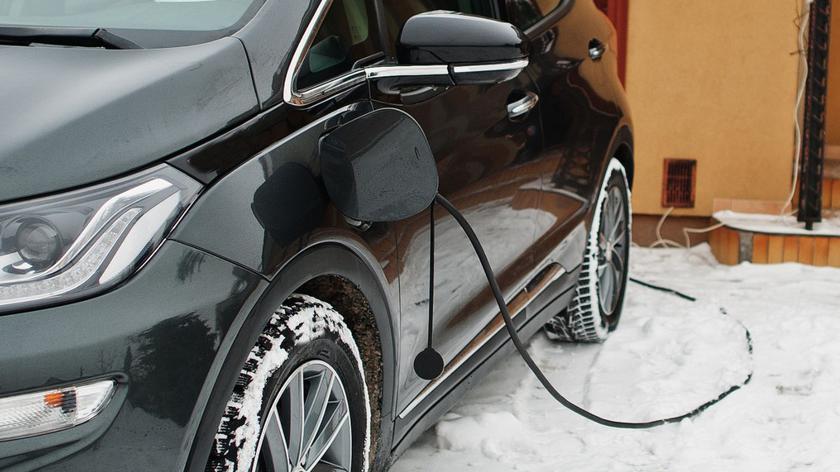
Electric cars deliver the biggest potential savings when owners can charge conveniently at home. Energy costs plummet to around $7,000 in a realistic mix of 80 percent home charging and 20 percent public stations. Maintenance stays minimal at about $2,700 since there are no oil changes, fewer moving parts, and regenerative braking that preserves brake components significantly longer. Depreciation varies by model, but popular options retain 35-40 percent of value after substantial use. With mostly home charging, the full cost averages $0.19 per kilometer, positioning electrics as the winner for many drivers.
The picture shifts dramatically without reliable home charging access. Relying entirely on public fast chargers pushes energy expenses up to nearly $20,000, erasing much of the advantage and raising the per-kilometer cost closer to diesel levels. In that case, hybrids often emerge as the smarter financial choice overall. The key takeaway remains that your daily routine, access to affordable electricity, and driving mix determine the real winner.
What powertrain do you think offers the best value for high-mileage driving, and share your thoughts in the comments.