The Debate Over LED Headlights Grows Fiercer, Do They Save Lives or Cause Harm?
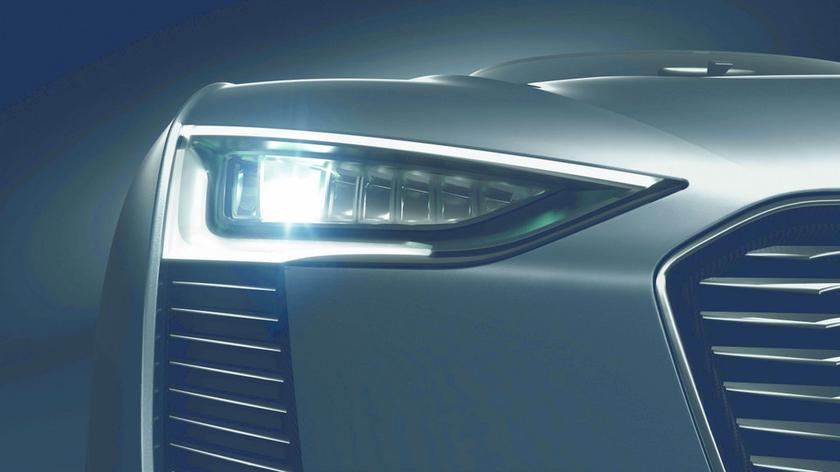
Modern LED headlights have transformed nighttime driving by delivering sharper, brighter illumination that reaches farther down the road. Many drivers appreciate how these lights cut through darkness, making obstacles easier to spot and potentially reducing accident risks in low-visibility conditions. Supporters point out that better lighting helps everyone see more clearly, especially on rural or poorly lit roads where traditional bulbs fall short. Studies from organizations like the Insurance Institute for Highway Safety show that glare contributes to only a small fraction of nighttime crashes, with no clear rise in incidents despite the widespread adoption of brighter LEDs. This suggests the technology itself brings meaningful safety gains when used correctly.
On the flip side, a growing number of motorists report feeling blinded by oncoming LED lights, particularly in recent years as more vehicles feature them. The intense, bluish-white beam can create discomfort glare that momentarily disrupts vision, forcing drivers to look away or slow down unexpectedly. Complaints often highlight situations on wet roads or when facing taller vehicles like SUVs, where the light aims directly into eyes rather than the road surface. Critics argue this dazzling effect increases the chance of errors, fatigue, or even collisions, turning what should be an improvement into a hazard for oncoming traffic. The issue has sparked heated discussions across Europe and North America, with some calling the lights overly aggressive and poorly regulated.
Experts emphasize that much of the problem stems from factors beyond the bulbs themselves. Improper headlight alignment during manufacturing or aftermarket installations can direct beams too high, amplifying glare for others. The rising popularity of larger vehicles also plays a role, as their elevated mounting positions naturally send light into the eyes of drivers in standard cars. In response, regulators in various regions are exploring stricter guidelines to cap glare levels while preserving the visibility benefits that LEDs offer. Proposals include better testing for beam patterns and adjustments to ensure lights stay focused downward without sacrificing distance coverage.
The conversation continues to intensify because both sides present compelling points rooted in real-world experience. Those in favor of brighter LEDs highlight data showing minimal crash increases tied to glare, suggesting the perceived danger might outweigh the actual risk. Meanwhile, everyday drivers share stories of struggling to maintain control when hit by blinding beams, fueling petitions and calls for change. Balancing enhanced safety for one driver against potential discomfort or risk for another remains the core challenge. As technology evolves, finding that middle ground through updated standards could resolve much of the tension.
What are your experiences with LED headlights on the road—do you find them helpful or overwhelmingly bright—in the comments.