The Dumbest Trends in the Auto Industry We’re Finally Saying Goodbye To
The automotive world has spent years chasing sleek, high-tech vibes that often left drivers frustrated and even put safety at risk. Manufacturers pushed boundaries with minimalist designs and digital overloads, all in the name of looking futuristic and cutting costs. Customer complaints piled up, and new regulations started forcing change. Happily, many of these questionable ideas are fading away as brands return to practical, user-friendly features that actually make sense on the road.
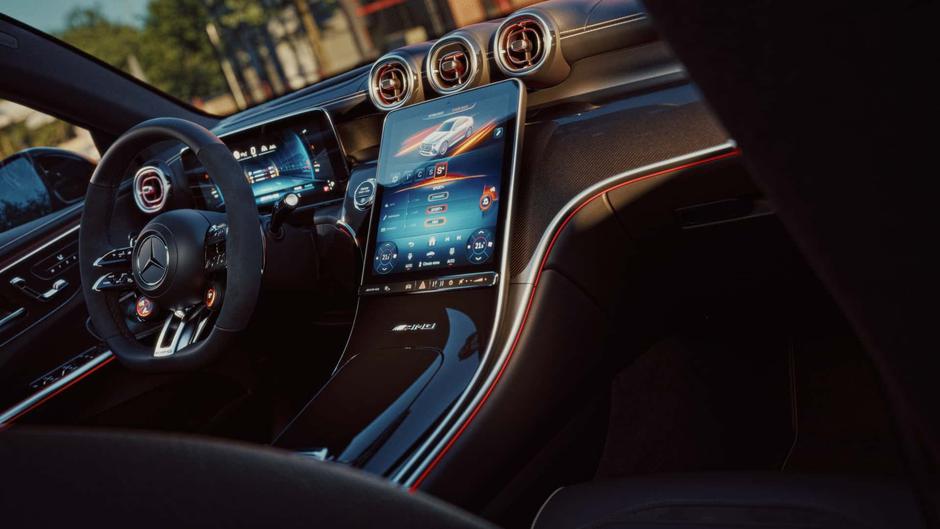
One of the most hated innovations was the giant touchscreen takeover. Brands like Tesla and Mercedes went all-in, replacing nearly every button with massive displays, some stretching over 50 inches across the dash. Simple tasks such as adjusting the air conditioning or turning on fog lights meant scrolling through menus while driving. Research from a Swedish automotive publication found that these setups can take four times longer to use than traditional controls in older cars, pulling attention away from the road for dangerously long periods.
Steering wheel controls followed a similar misguided path with touch-sensitive and haptic buttons. Volkswagen led the backlash against its own sliding panels, with design chief Andreas Mindt declaring they would never repeat the mistake because a car is not a smartphone. Other companies like Honda, Ferrari, and Audi have also stepped back, recognizing that drivers need the reliable click of physical buttons to stay focused. Surveys show nearly nine out of ten people prefer tangible controls, and studies confirm touch interfaces can slow reactions more than certain levels of alcohol or cannabis impairment.
Hidden door handles tried to deliver a smooth, aerodynamic profile but created real headaches instead. They often froze solid in cold weather, failed mechanically, and proved disastrous in emergencies when power failed after crashes. Rescuers in some reported cases struggled to reach trapped passengers quickly. Starting in 2027, China will ban fully electric and retractable handles, and the rest of the industry is expected to follow suit as safety concerns outweigh the stylish look.
Charging subscriptions for hardware already built into the car felt like the ultimate overreach. BMW drew heavy criticism for locking features like heated seats or a heated steering wheel behind monthly fees, even though buyers had paid for the equipment upfront. Public outrage forced a rapid retreat, though some makers still explore paid software upgrades for things like enhanced driver assists or temporary performance boosts in electric models. Most drivers simply want what they paid for without ongoing bills.
Glossy piano-black interior trim and fake exhaust tips added to the list of aesthetic missteps. The shiny surfaces scratched easily and showed every fingerprint, turning premium cabins into constant cleaning chores. Fake chrome exhaust outlets looked odd, especially when real vapor emerged from hidden pipes underneath. Companies such as Kia are moving toward tougher matte finishes, while Audi has committed to real functional exhausts on future combustion-engine vehicles.
Digital side mirrors and artificial engine noises rounded out the unnecessary tech push. Cameras that replace traditional mirrors promise better aerodynamics but confuse depth perception and tire drivers with constant refocusing. Rain can obscure the lens, and repairs cost a fortune. Piping simulated V8 growls or spaceship sounds into quiet electric cars feels inauthentic to many enthusiasts, who prefer genuine mechanical feedback.
All these shifts show the industry listening to real-world feedback and prioritizing ergonomics and safety once again. Common-sense design is making a comeback, and drivers are the clear winners.
Which of these fading trends annoyed you the most, or is there another one you hope disappears soon? Share your thoughts in the comments.