The New Ford Fiesta Makes a Triumphant Return as an Electric Powerhouse
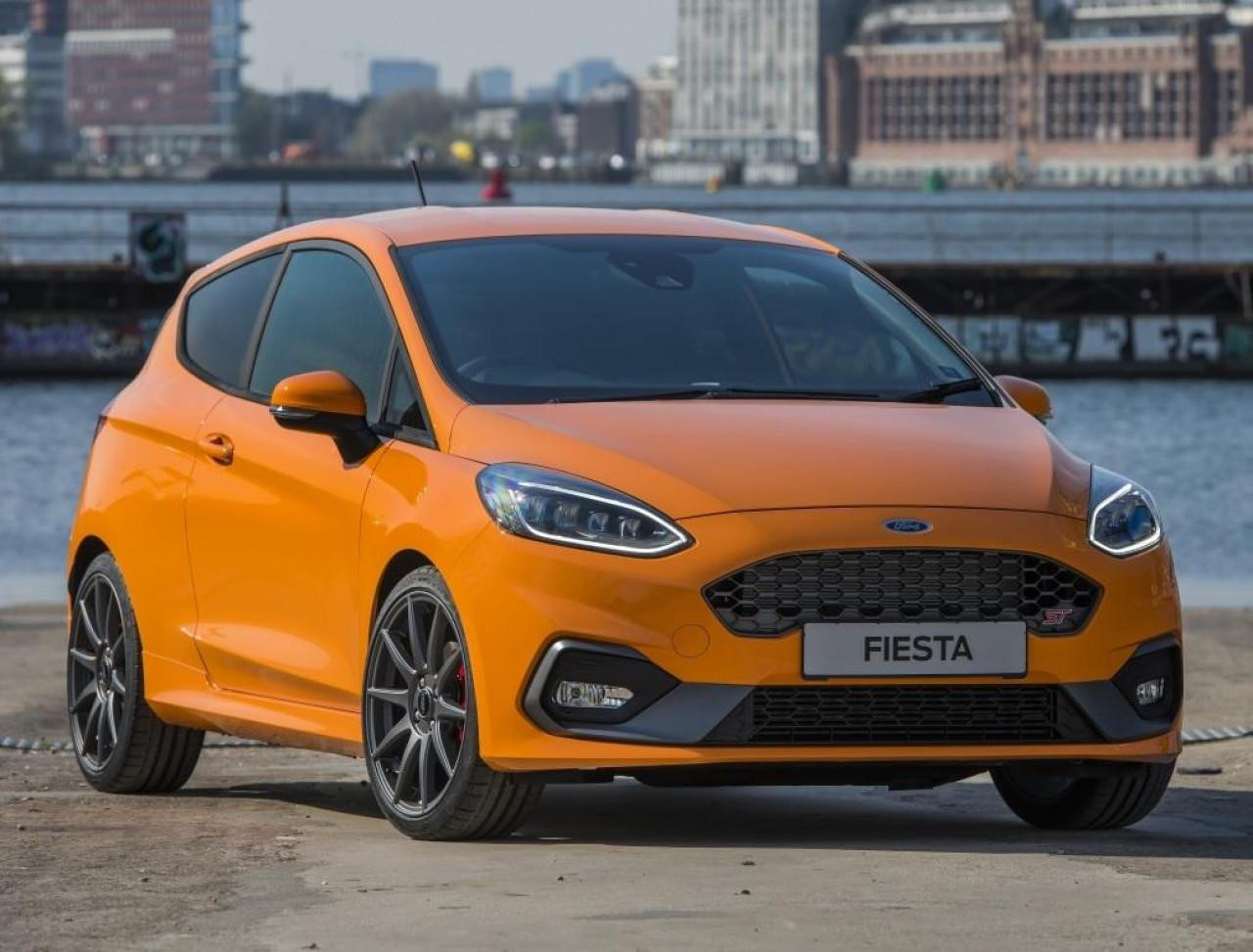
The iconic Ford Fiesta, a favorite among drivers for nearly half a century, vanished from production lines in 2023, leaving many wondering if it would ever come back. Now excitement is building once again thanks to a strategic partnership between Ford and Renault that promises to revive the beloved supermini in fully electric form. This collaboration taps into Renault’s advanced electric vehicle technology while letting Ford infuse its signature style and driving feel into the mix. The move signals Ford’s commitment to reclaiming ground in the compact car segment with a modern, zero-emission twist.
At the heart of this revival lies Renault’s AmpR Small platform, the same architecture powering models like the Renault 5, Renault 4, Alpine A290, and the upcoming renewed Renault Twingo. Ford will use this efficient base to create its own distinct version rather than simply rebadging an existing Renault design. Production is set to take place at Renault’s ElectriCity complex in northern France, taking advantage of established facilities and expertise to speed things along. The first vehicles from this alliance are expected to reach customers in 2028, giving the project a realistic timeline built on proven components.
Design-wise, Ford takes the lead to ensure the new Fiesta stands apart with sharper, more dynamic lines that align with the brand’s bold aesthetic. While dimensions will closely match those of the Renault 5, the overall appearance promises to feel uniquely Ford through custom styling choices. Handling, steering, and braking will receive special attention to deliver the engaging drive that Fiesta fans have always loved. Executives emphasize that this approach will create a completely different experience compared to other cars sharing the same underpinnings.
Jim Farley, President and CEO of Ford Motor Company, described the partnership as a key step in crafting an efficient future tailored for Europe. He highlighted how combining Renault’s industrial scale and EV resources with Ford’s recognizable design and driving dynamics will produce fun, capable vehicles that customers can identify instantly. Jim Baumbick, President of Ford Europe, echoed this confidence, stating that the team is convinced they can offer something truly distinctive in the small car market. François Provost, CEO of Renault Group, expressed pride in the collaboration, noting it strengthens innovation and adaptability in a rapidly changing industry.
On the performance side, the electric Fiesta should draw from options seen in similar Renault models. Battery choices could include around 40 kWh or 52 kWh packs, with the larger one potentially delivering up to about 250 miles of range under WLTP testing conditions. A more powerful variant might feature roughly 148 horsepower and sprint from zero to 60 mph in under eight seconds. These specs position the car as a practical everyday option with enough pep to keep things enjoyable on twisty roads or in city traffic.
This electric transformation reflects broader shifts in the automotive world where affordability and efficiency matter more than ever. The Fiesta’s return could help Ford compete strongly against rising competition in the compact EV space while honoring its heritage of spirited small cars. Enthusiasts have waited patiently for news like this, and the blend of shared tech with Ford’s unique touch makes the prospect even more appealing.
What do you think about the electric revival of the Ford Fiesta, share your thoughts in the comments.