This Crash Changed Everything and Got a Deadly Car Detail Banned
Design trends in the auto world can feel unstoppable until a single incident makes the risks impossible to ignore. That is exactly what happened after a widely shared crash video reignited a debate about modern door hardware on electric cars. Chinese regulators have now moved to ban retractable hidden door handles on electric vehicles after multiple incidents showed how badly they can fail when power is lost. The central argument is simple and chilling in practice: “When electronics fail, the handle has to stay available, intuitive, and immediately usable.”
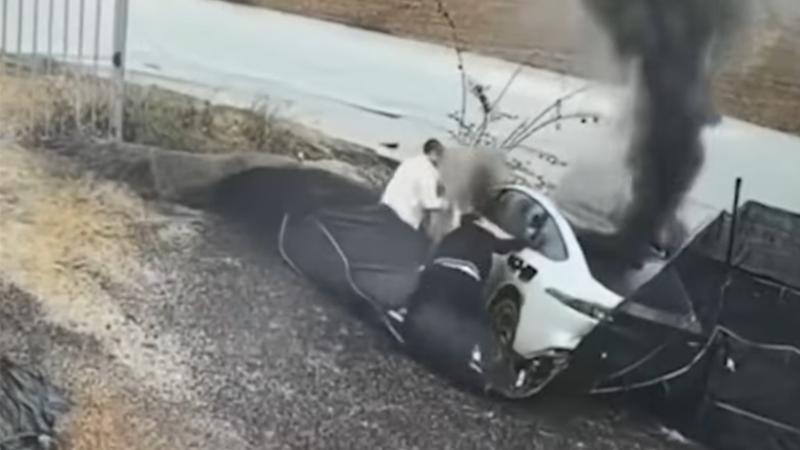
In the video that pushed the issue back into the spotlight, an electric sedan from Dongfeng collides with a truck, slides off the road, and ends up against a fence. The impact does not look catastrophic at first glance, and the visible damage appears limited. Within seconds, though, smoke begins to pour from the vehicle. The driver manages to get out, but what happens next reveals the real danger of the design.
According to the account, the rear doors remain locked because the handles do not pop out of the bodywork. The driver’s own door then closes, and the electrical system stops responding. The people inside are effectively trapped behind shut doors with no working external handles and no reliable way to open them from outside. As one key line from the report puts it, “Hidden handles become a deadly trap in moments like this.”
Time becomes the enemy almost immediately as thick smoke fills the cabin in under half a minute. The driver tries to smash the window with his elbow but cannot break it quickly enough. Only when bystanders rush in and use a large rock do they manage to shatter a side window. Two passengers are pulled out relatively fast, but flames are already starting to break through.
The situation worsens in seconds, with the car soon engulfed and dark smoke filling the interior. A third passenger is rescued at the last possible moment. Later information in the report says all passengers suffered serious burns but survived. The man who helped pull them out reportedly sustained severe burns to his hands, and the injuries still kept him from returning to work months later.
The manufacturer confirmed the crash happened in March 2025 in China’s Yunnan province, and indicated the fire followed a high speed impact that may have damaged the battery. That detail matters because electric vehicle fires can develop rapidly and produce intense heat and heavy smoke. It also underlines why escape time is everything in these scenarios. When a car is filling with smoke, even a delay measured in seconds can determine whether everyone gets out.
Regulators treated the video as decisive evidence of a design that can work beautifully in normal conditions but become dangerous in an emergency. The logic behind the new rules is captured in another key statement from the report: “When electronics fail, a mechanical handle has to remain available, intuitive, and immediately usable.” Retractable handles often depend on motors, sensors, and electrical power, and that dependency can become a liability after a crash. In the same framing, “A handle that relies on electricity becomes an obstacle instead of a safety feature.”
The report says these retractable hidden handles are expected to disappear from electric cars in China starting in early 2027, and the ripple effects could extend well beyond one market. Automakers design global platforms, and a major regulatory shift in the world’s largest EV arena can force redesigns that spread elsewhere. Beyond engineering, there is also the cost of retooling doors, wiring, and manufacturing processes that were built around flush hardware. What was once a sleek status symbol is now being treated like an unacceptable point of failure.
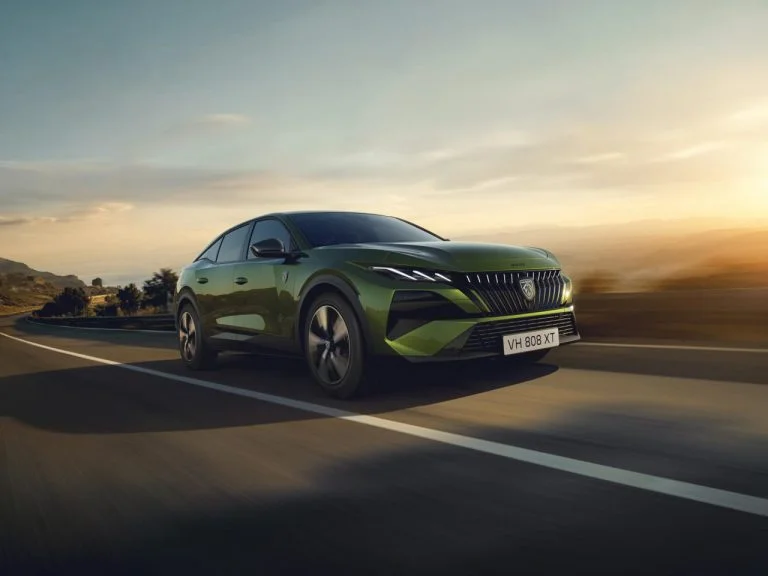
For readers who want broader context, retractable door handles became popular because they reduce visual clutter and can slightly improve aerodynamic drag, which helps efficiency at highway speeds. They also became a recognizable styling cue in the electric era, signaling modernity and tech forward thinking. The downside is that any system that must move outward on command adds complexity, and complexity can fail in accidents, fires, floods, or total power loss. Many vehicles include mechanical backups, but if the backup is hard to find, unfamiliar, or inaccessible under stress, it does not solve the real world problem.
It is also worth knowing that safety standards often evolve after clear demonstrations of risk rather than after quiet near misses. Seat belts, airbags, and stronger door structures all became widespread through a mix of regulation, testing, and hard lessons from crashes. In the same way, a door handle is not just a styling element, it is part of the escape system for every occupant and every rescuer who arrives first.
If you have strong opinions about whether sleek hidden handles are worth the trade off, share your thoughts in the comments.