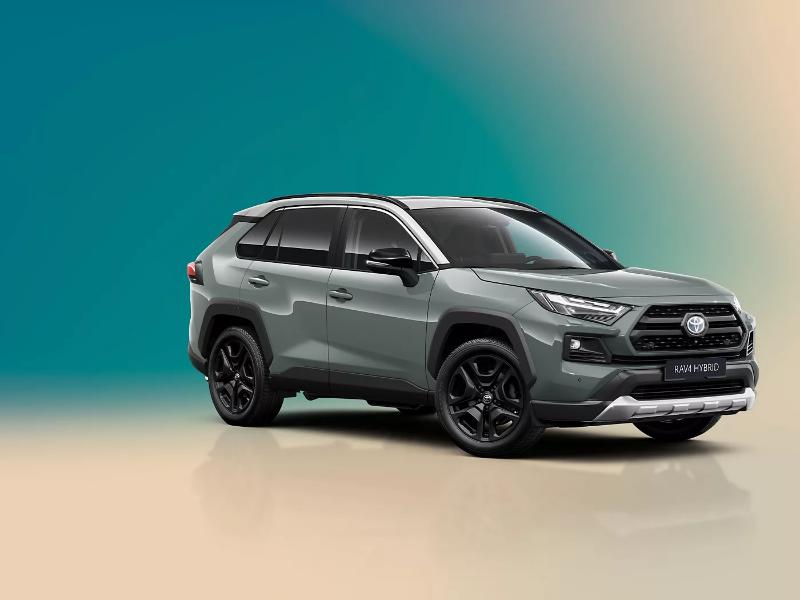
Toyota Confirms Sixth-Generation RAV4 Transitions to Hybrid-Only Powertrain Strategy
Toyota officially debuted the sixth-generation 2026 RAV4 at the Los Angeles Auto Show, confirming a pivotal strategic shift for the best-selling passenger vehicle in the United States. In a move mirroring the launch of the latest Camry, executives announced that the internal combustion-only powertrains have been discontinued, making the RAV4 a dedicated electrified nameplate for the first time in its three-decade history. The new compact SUV rides on an evolved version of the TNGA-K platform, which engineers state has been reinforced to improve torsional rigidity by 15 percent, enhancing both ride quality and collision safety performance.
The standard powertrain for all 2026 models is the fifth-generation Toyota Hybrid System (THS 5), pairing a 2.5-liter four-cylinder engine with lighter, more compact electric motor-generators. This setup delivers a combined output of 232 horsepower in all-wheel-drive configurations, an increase of 13 horsepower over the outgoing hybrid model. Toyota projects this system will achieve an EPA-estimated combined rating of 41 mpg, maintaining efficiency leadership in the segment. For drivers seeking greater electrification without range anxiety, the RAV4 Prime plug-in hybrid returns with an updated battery chemistry that extends its pure electric driving range to an estimated 52 miles, up from 42 miles in the previous generation.
Visually, the 2026 RAV4 adopts a more rugged, upright design language heavily influenced by the recent Tacoma and Land Cruiser introductions. The front fascia features a hexagonal grille and high-mounted LED headlamps, while the wheel arches have been squared off to accommodate larger available tires on the adventure-focused TRD Off-Road and new Trailhunter trims. The Trailhunter variant specifically targets overlanding enthusiasts, equipped from the factory with Old Man Emu suspension components, rigid underbody armor, and bronze-colored 18-inch wheels wrapped in Goodyear Territory all-terrain tires.
Inside, the cabin has undergone a complete digitization, addressing previous criticisms regarding dated technology. A 14-inch Toyota Audio Multimedia touchscreen is now standard on XLE Premium grades and above, featuring wireless Apple CarPlay and Android Auto integration. The driver is served by a configurable 12.3-inch digital instrument cluster that changes graphics based on the selected drive mode. David Christ, Group Vice President and General Manager of Toyota Division, noted that the interior redesign focused on “usable utility,” resulting in a 2.5-inch increase in rear legroom and a reconfigured cargo area that maximizes width for hauling bulky gear.
Safety technology sees a significant upgrade with the standard inclusion of Toyota Safety Sense 3.5 across all trim levels. This latest suite introduces Proactive Driving Assist, which provides gentle braking and steering support during curves, and a new lane change assist feature capable of executing semi-automated lane changes on highways. While pricing will be finalized closer to the vehicle’s arrival in dealerships in late spring 2026, analysts expect a starting MSRP of approximately $33,500, reflecting the elimination of the cheaper non-hybrid base model and the addition of standard equipment.