Toyota Gazoo Racing Secures Title Sponsorship of Haas F1 Team
Toyota Gazoo Racing assumes title sponsorship of the Haas Formula 1 team, rebranding it as TGR Haas F1 Team for the 2026 season. This partnership builds on a technical collaboration launched a year prior, supplying design and engineering support without altering Haas’s Ferrari power unit supply. The arrangement represents Toyota’s deepest F1 involvement since exiting as a full constructor in 2009 after zero race victories despite substantial investments.
Haas team principal Ayao Komatsu described the expansion as a privilege, noting it strengthens resource access for competitive gains. Toyota chairman Akio Toyoda highlighted the move’s alignment with grassroots development, crediting 2025 challenges for fostering belief among young drivers and engineers. The sponsorship avoids engine commitments, preserving Haas’s existing Ferrari agreement through at least 2028.
Financial details remain undisclosed, but title deals in F1 typically range from $20 million to $50 million annually, per industry benchmarks from previous Haas backers like MoneyGram. Toyota’s entry fills a vacancy left by the sponsor’s recent departure, stabilizing the American outfit’s budget amid midfield battles. Haas finished 10th in the 2025 constructors’ standings with 37 points, trailing leaders McLaren by 500 points.
Technical synergies stem from the prior partnership, where Toyota provided wind-tunnel data and component testing at its Cologne facility. Haas benefits from TGR’s hybrid expertise, derived from World Endurance Championship successes, including the 2025 Le Mans 24 Hours win with its GR010 Hybrid prototype. No personnel transfers occur, but joint simulations aim to shave 0.3 seconds per lap on circuits like Monza and Spa-Francorchamps.
The deal coincides with Formula 1’s 2026 regulation overhaul, introducing 18-inch tires and sustainable fuels alongside revised power units blending internal combustion with electric boost. Haas targets top-eight finishes, leveraging Toyota’s computational fluid dynamics tools for aerodynamic refinements. Ferrari supplies evolve to meet new active aero mandates, with energy recovery systems capped at 350 kilowatts.
Toyota’s return echoes its 2002-2009 era, when the TF series cars qualified on pole but lacked reliability for podiums. Komatsu emphasized data-sharing protocols to avoid conflicts with Toyota’s WEC program, where GR cars compete under GTLM rules. The partnership excludes marketing overlaps in Japan, focusing on US and European activations.
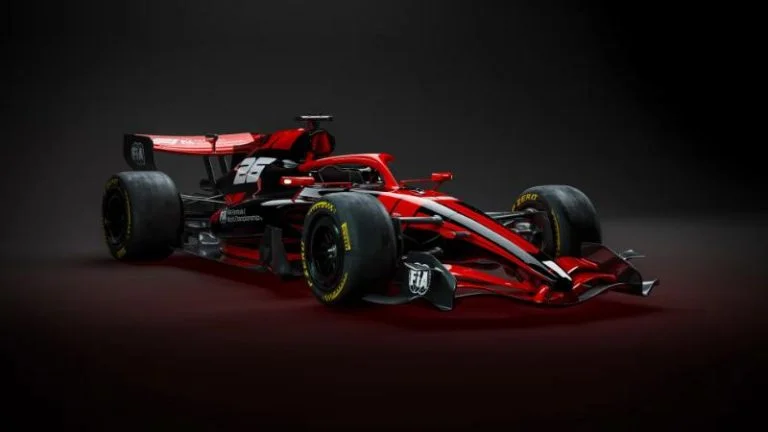
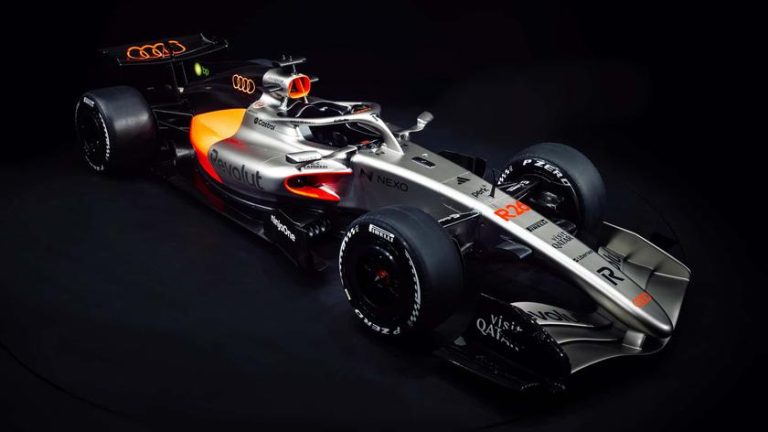
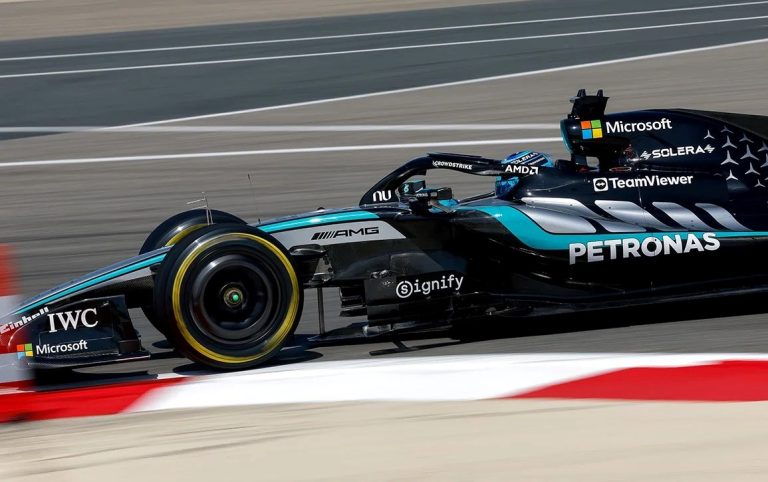
Season preparations begin with post-Abu Dhabi testing in January 2026, using the VF-26 chassis evolved from 2025’s model. Driver lineup retains Kevin Magnussen and Esteban Ocon, with Ocon’s experience from Alpine’s hybrid program aiding integration. Toyota projects branding visibility on 70 percent of car surfaces, including halo and sidepod liveries in red-white accents.
Broader implications extend to F1’s commercial landscape, where sponsorship revenues hit $1.2 billion in 2025, up 15 percent year-over-year. Haas gains leverage in charter negotiations, securing payout floors at $150 million per team. Toyota’s involvement counters perceptions of Japanese withdrawal post-Honda’s 2025 engine exit, signaling sustained Asian investment.
Grid dynamics shift subtly, with Haas potentially poaching talent from midfield rivals like Williams. TGR’s Cologne base, employing 400 engineers, doubles simulation hours for Haas, targeting reliability above 95 percent in qualifying. Environmental commitments align, as both entities pursue net-zero by 2030 through biofuel R&D.
Fan reception highlights Toyota’s redemption arc, with social metrics showing 200,000 engagements on announcement visuals. The TGR Haas livery debuts at Bahrain preseason, February 21-23, 2026. This alliance positions Haas for regulatory adaptation, emphasizing cost-capped development under $145 million budgets.