Trump Transition Team Targets Federal Autonomous Vehicle Framework to Accelerate Robotaxi Deployment
The regulatory landscape for self-driving cars is poised for a radical overhaul as members of the incoming administration’s transition team have reportedly designated a federal framework for fully autonomous vehicles as a top priority for the Department of Transportation. This strategic pivot, confirmed by sources close to the transition discussions earlier this week, aims to dismantle the current state-by-state patchwork of liability laws and testing permits that has long frustrated industry executives. If enacted, a unified federal standard would effectively bypass the slow-moving regulatory processes in strict jurisdictions like California, clearing a direct path for the mass deployment of Level 4 and Level 5 autonomous fleets across state lines.
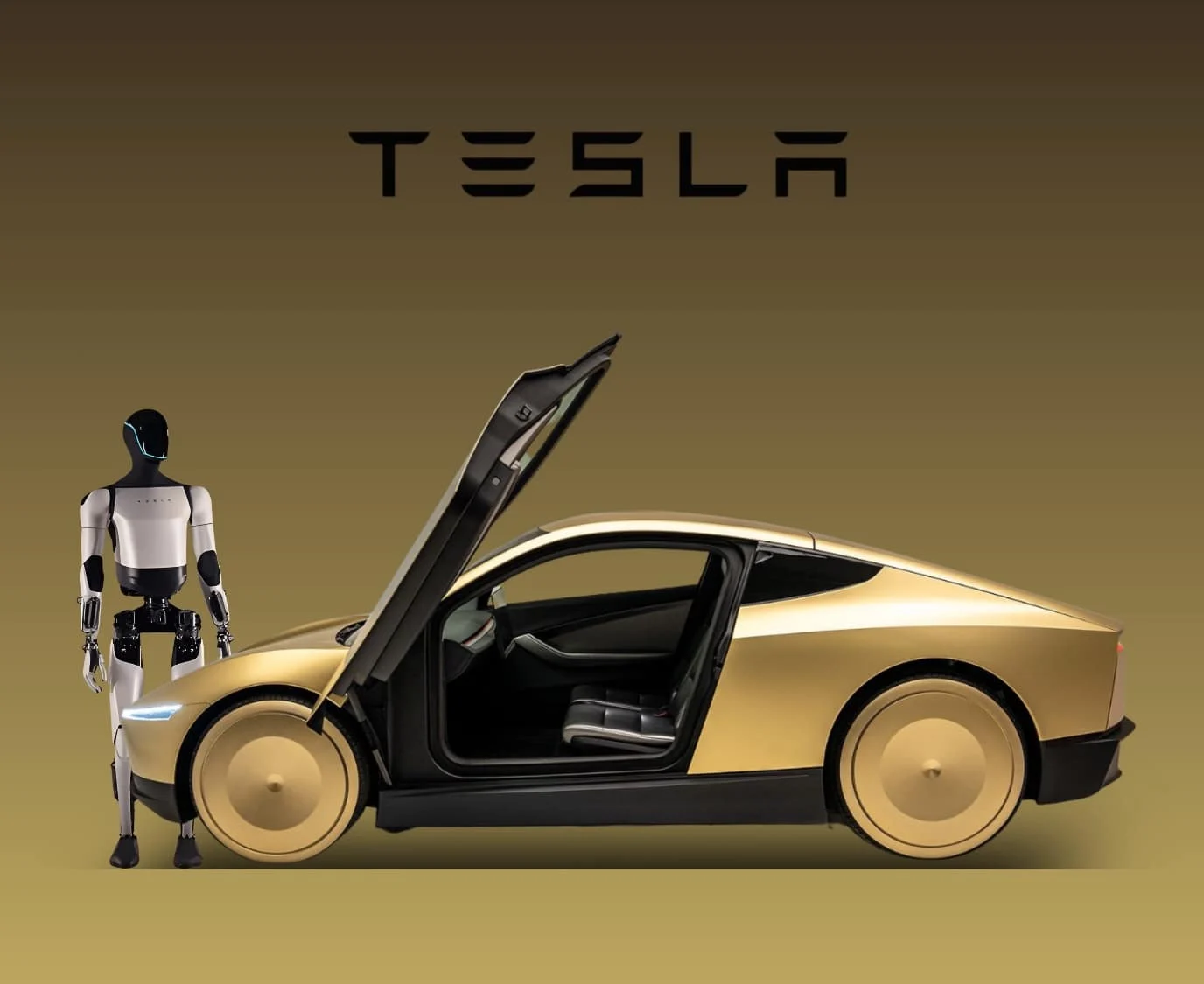
At the center of this legislative push is a proposed revision to the Federal Motor Vehicle Safety Standards (FMVSS), specifically regarding the deployment caps for vehicles designed without traditional human controls. Under current National Highway Traffic Safety Administration (NHTSA) exemptions, manufacturers are restricted to deploying a maximum of 2,500 vehicles per year that lack steering wheels, brake pedals, or side-view mirrors. This cap has served as the primary structural bottleneck for Tesla’s recently unveiled “Cybercab,” a dedicated robotaxi concept that cannot legally be mass-produced for American roads under existing statutes. Industry analysts note that lifting this cap to 25,000 or 100,000 units annually is a prerequisite for the economic viability of Tesla’s proposed autonomous ride-hailing network.
The market implications of this potential deregulation were immediate, with Tesla shares surging while ride-hailing incumbents Uber and Lyft faced sharp sell-offs. Investors interpret the prioritization of a federal AV framework as a direct beneficiary of Elon Musk’s deepening influence within the incoming administration, where he has been tapped to lead a new Department of Government Efficiency. However, legal experts warn that federal preemption of state motor vehicle laws will likely face intense judicial scrutiny, particularly from governors who have recently tightened oversight on robotaxis following high-profile safety incidents in San Francisco and Austin.
Safety advocates have expressed alarm at the prospect of accelerated deregulation, citing the current divergence between aggressive policy goals and the technical maturity of today’s software. The NHTSA is currently managing active defect investigations into Tesla’s “Full Self-Driving” (FSD) system, focusing on its performance in low-visibility conditions and its tendency to disengage moments before impact. A federal mandate that fast-tracks the deployment of steering-wheel-less vehicles would effectively force the NHTSA to adopt a more permissive certification stance, shifting the burden of safety validation from pre-market testing to post-accident enforcement.
For the broader automotive sector, this move signals a frantic recalibration of autonomous vehicle strategies. Legacy automakers like General Motors, which paused its Cruise operations last year to overhaul its safety culture, may find themselves forced to accelerate their timelines to compete in a deregulated environment. Meanwhile, technology partners such as Waymo—which currently operates under existing strictures with human-control-capable vehicles—may need to pivot their hardware strategies to capitalize on the new allowances for purpose-built robotaxis. The transition team has not yet named a nominee for Transportation Secretary, but the mandate is clear: the era of cautious, localized autonomous vehicle testing is ending, to be replaced by a federally backed push for nationwide adoption.