Unveiling The Secret Victors And Defeated Models In The Electric Vehicle Market
The transition to electric mobility has moved beyond the initial excitement of acceleration figures and battery range claims. A new and comprehensive analysis from the renowned ‘TÜV Report 2026’ in collaboration with Auto Bild has finally shed light on the long-term reliability of battery-powered vehicles. This extensive study provides a crucial look at which models stand the test of time and which ones crumble under the pressure of daily use. It shifts the conversation from showroom specifications to the mechanical reality faced by owners after several years of ownership.
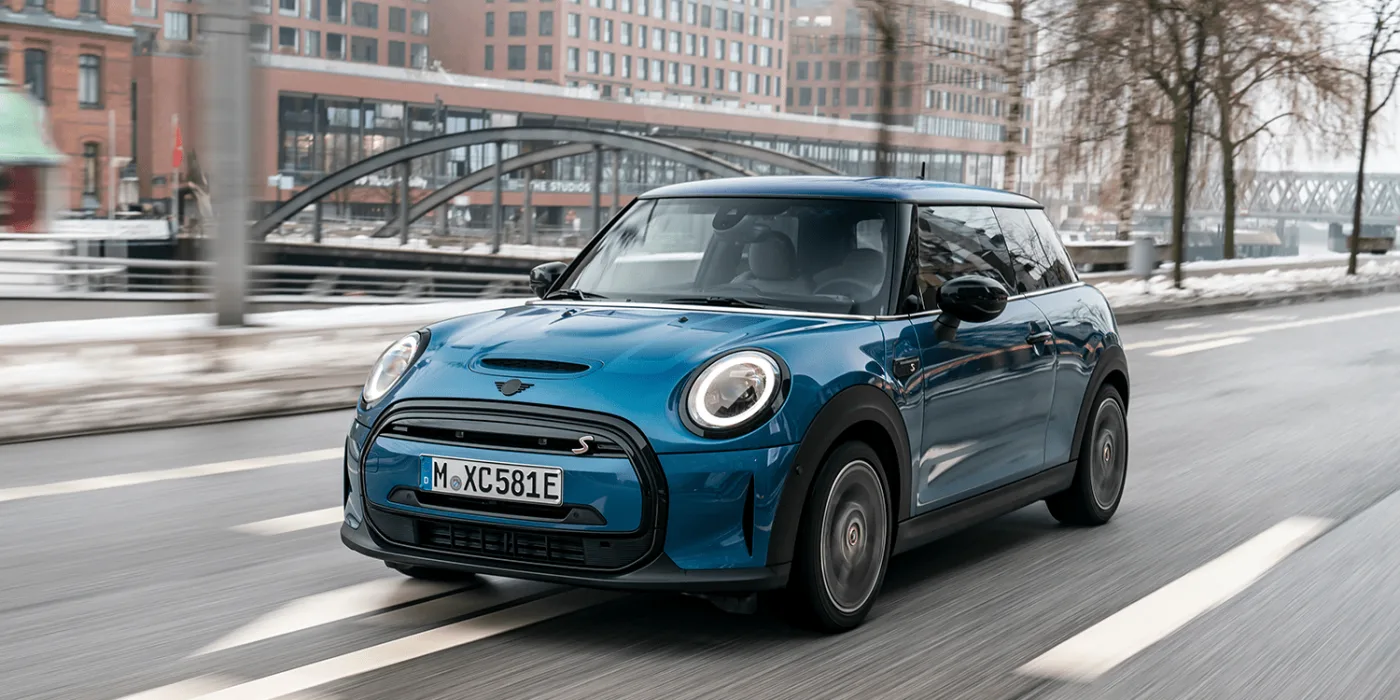
Surprising many industry observers, the undeniable champion of this year is the Mini Cooper SE. This compact electric vehicle demonstrated remarkable resilience during technical inspections and achieved the lowest defect rate among its peers. Inspectors noted that its suspension and braking systems held up exceptionally well despite the common issues that plague heavier electric cars. With a defect rate of only 3.5 percent, the Mini has proven that a fun design can also be mechanically sound. Its success is particularly impressive given that its range specifications are no longer class-leading in the current market.
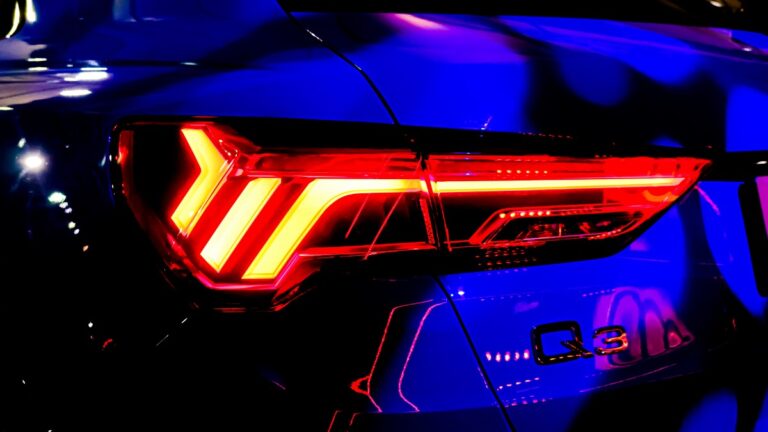
Another strong performer in the rankings is the Audi Q4 e-tron, which secured the second spot for reliability. This German SUV managed to navigate the rigorous inspection process with very few major faults recorded. It posted a commendable defect rate of just 4 percent even with a higher average mileage than the winning Mini. The report highlights that Audi has successfully mitigated common electric vehicle problems that often lead to inspection failures. This result positions the Q4 e-tron as a safe bet for buyers looking for a dependable used electric SUV.
The study also revealed some interesting disparities between vehicles that share similar underlying technology. While the Audi Q4 e-tron performed admirably, its platform siblings such as the VW ID.4 and Skoda Enyaq did not fare as well. Inspectors found that these related models suffered from more frequent issues with their braking systems and suspension components. This variance suggests that manufacturing quality and specific engineering choices play a massive role even when the basic architecture is identical. It serves as a warning to buyers not to assume all cars on the same platform are equal.
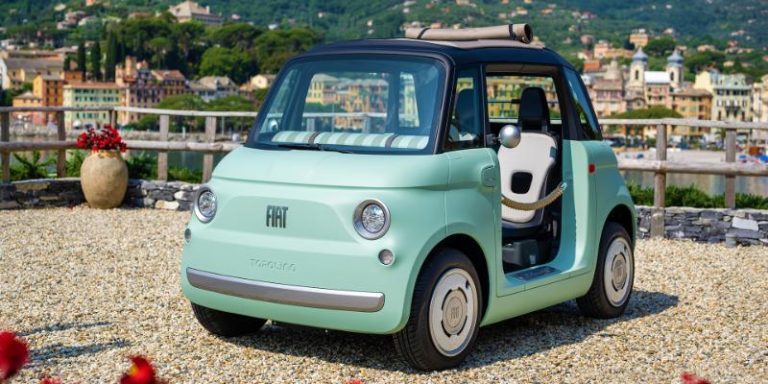
Looking beyond the German giants, the report had praise for the electric Fiat 500e. The Italian city car managed to shake off the reliability stereotypes often associated with its manufacturer. Experts commended its solid construction and the durability of its chassis components. Similarly, the quirky BMW i3 remains a solid recommendation for the used market if the battery health is verified. These findings are reshaping the landscape for used car buyers who now have concrete data to guide their purchasing decisions.
Do you think reliability scores like these are more important than maximum driving range when choosing an electric car? Share your thoughts in the comments.