Volkswagen Prototype Drives ID. Polo Electric City Car
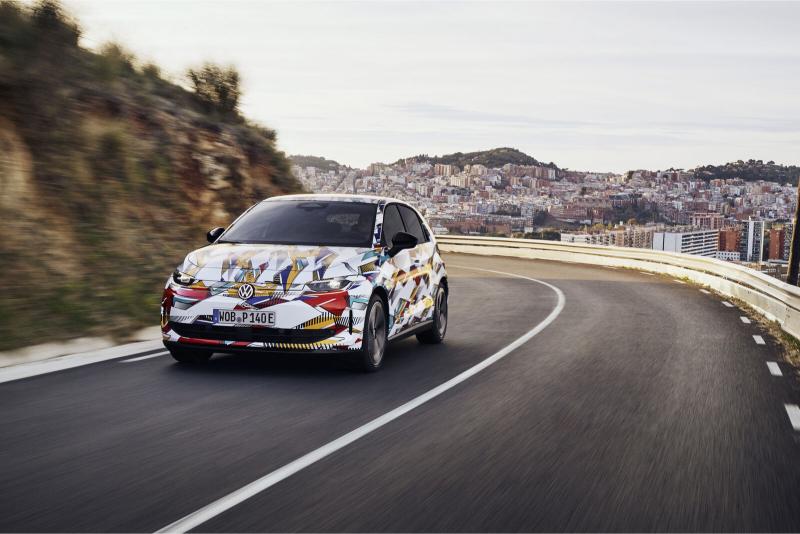
Volkswagen completed initial prototype testing of its upcoming compact electric vehicle, the ID. Polo. The model targets entry-level pricing around €25,000 in European markets. Engineers evaluated handling and performance characteristics during drives, emphasizing traditional driving dynamics over aggressive styling. The production version maintains compact dimensions suitable for urban environments.
The ID. Polo utilizes the MEB Entry platform shared with upcoming Skoda and Cupra variants. Battery options include capacities supporting up to 400 kilometers WLTP range in higher configurations. Rear-wheel-drive layout prioritizes efficiency and interior space optimization. Fast-charging capabilities reach 125 kW for rapid replenishment.
Volkswagen positions the model as a direct successor to the combustion Polo in affordability segments. The company plans simultaneous launch of a crossover variant dubbed ID. Polo Cross. Both vehicles enter production in 2026 at facilities in Spain and Germany. Order books open mid-year for European customers.
This development aligns with Volkswagen’s expanded electrification strategy amid regulatory adjustments. The brand forecasts electric models comprising 80 percent of European sales by 2030. Additional range-extended electric variants target markets like China with combined ranges exceeding 1,000 kilometers. These incorporate small gasoline generators for extended travel.
The prototype phase confirmed refined suspension tuning for European road conditions. Interior layouts feature digital instrumentation and simplified controls derived from larger ID models. Connectivity integrates over-the-air updates for ongoing feature enhancements. Safety systems include standard automated emergency braking and lane assistance.
Volkswagen sales executives described the project as restoring brand accessibility in small-car segments. The €25,000 target undercuts current ID.3 pricing significantly. Volume production scales to hundreds of thousands annually across group brands. Shared components reduce development costs while maintaining individual brand identities.
Competitors include Renault 5 E-Tech and upcoming Mini Cooper Electric in similar price brackets. Volkswagen emphasizes rear-drive proportions for balanced weight distribution. Thermal management supports consistent performance in varied climates. Regenerative braking modes optimize energy recapture in city driving.
This prototype milestone advances Volkswagen’s 2026 product offensive. The lineup includes refreshed ID.3 and ID.4 models alongside new entry-level offerings. Investments in battery cell production support cost reductions over time. The company maintains parallel hybrid options for transitional markets.
Industry observers note the ID. Polo addresses affordability barriers in electric adoption. Compact dimensions preserve parking ease in dense urban areas. Charging infrastructure partnerships ensure compatibility with expanding networks. The model represents Volkswagen’s commitment to volume electric mobility.
European battery-electric registrations rose 38 percent in November data. Volkswagen Group brands contributed through competitive compact offerings. The ID. Polo launch reinforces this momentum entering 2026. Production readiness targets seamless integration into existing dealer networks.