Why Sports Cars Are Becoming as Heavy as SUVs – They Have To or They Wouldn’t Survive
Modern sports cars have put on serious weight in recent years, with many now tipping the scales at over two tons, much like full-size SUVs. Enthusiasts often lament this shift from the lightweight, agile machines of the past, yet the change stems from unavoidable pressures rather than careless design choices. Stricter emissions rules in Europe and beyond demand big reductions in CO2 output, while buyers still crave the thrilling performance and distinctive character of these vehicles. Manufacturers face a tough balancing act, and adding mass has become an essential part of keeping high-powered models alive on the market.
The biggest driver behind the extra pounds comes from plug-in hybrid technology, adopted widely to meet tough emission targets without sacrificing engine power. These systems pair potent gasoline engines with batteries, electric motors, and supporting electronics, piling on hundreds of pounds in the process. Traditional downsizing to smaller engines often backfires with fans who prefer the roar and feel of larger cylinders. A plug-in hybrid offers a smart workaround, delivering strong acceleration and familiar sounds while logging lower official emissions through electric-only driving in urban settings.
Upcoming regulations like Euro 7, set to kick in toward the end of 2026, push things further by requiring more realistic testing under real-world conditions. This forces investments in advanced exhaust filtration and deeper electrification to comply, which naturally boosts vehicle mass and cost. Without these adaptations, many beloved sports models would simply vanish from showrooms because they could not satisfy the rules. The industry views the added weight as the necessary price for survival in a heavily regulated landscape.
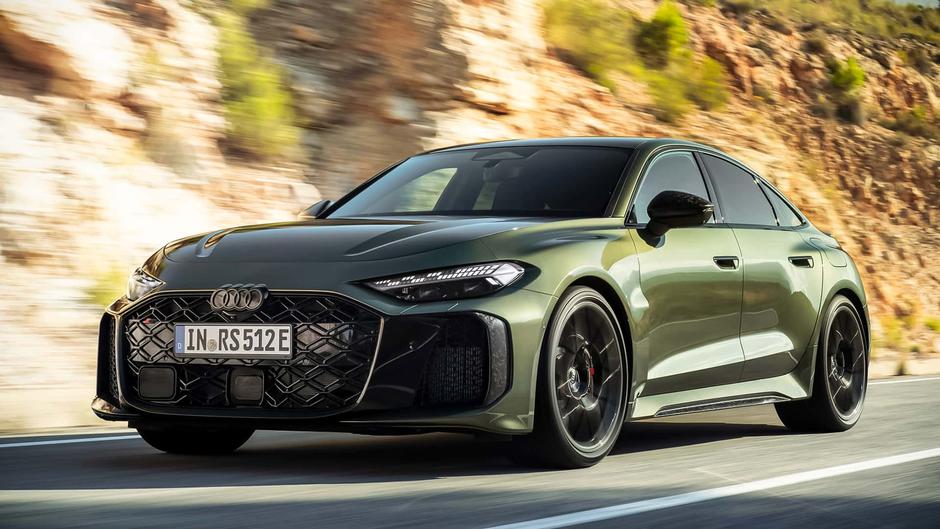
Recent examples illustrate the trend clearly. Hybrid performance sedans such as the latest Audi RS5 and BMW M5 each hover around 2.4 tons, or roughly 5,291 pounds. These figures stand in stark contrast to earlier generations that stayed well under two tons. Paradoxically, the heavier hybrids often prove more efficient overall, especially when charged regularly and driven gently in town, though real-world results vary with how owners use them.
Safety features, advanced driver aids, and comfort enhancements also contribute to the overall heft across the automotive world, including sports cars. Stronger structures, multiple airbags, and sophisticated infotainment systems add pounds that manufacturers cannot easily trim. Customers expect these elements as standard today, so skipping them risks losing sales. The result is vehicles that feel more substantial yet retain blistering speed through clever engineering.
Electrification stands out as the key path forward for keeping sports cars viable. While purists miss the simplicity of pure combustion engines, hybrids allow manufacturers to preserve the excitement enthusiasts demand. The extra kilograms might frustrate those chasing ultimate agility, but they enable the continued existence of powerful, characterful machines. As rules tighten, this compromise looks set to define the segment for years to come.
What do you think about the growing weight of modern sports cars in the comments?