Why Your Brakes Squeak and When It Signals an Urgent Trip to the Mechanic
Squeaky brakes are something most drivers experience at some point, and the noise can range from mildly annoying to downright concerning. The good news is that not every squeak means trouble, but ignoring certain patterns can put your safety at risk. Understanding the difference between harmless sounds and real warnings helps you know when to act. These noises often stem from everyday friction yet can sometimes point to bigger issues.
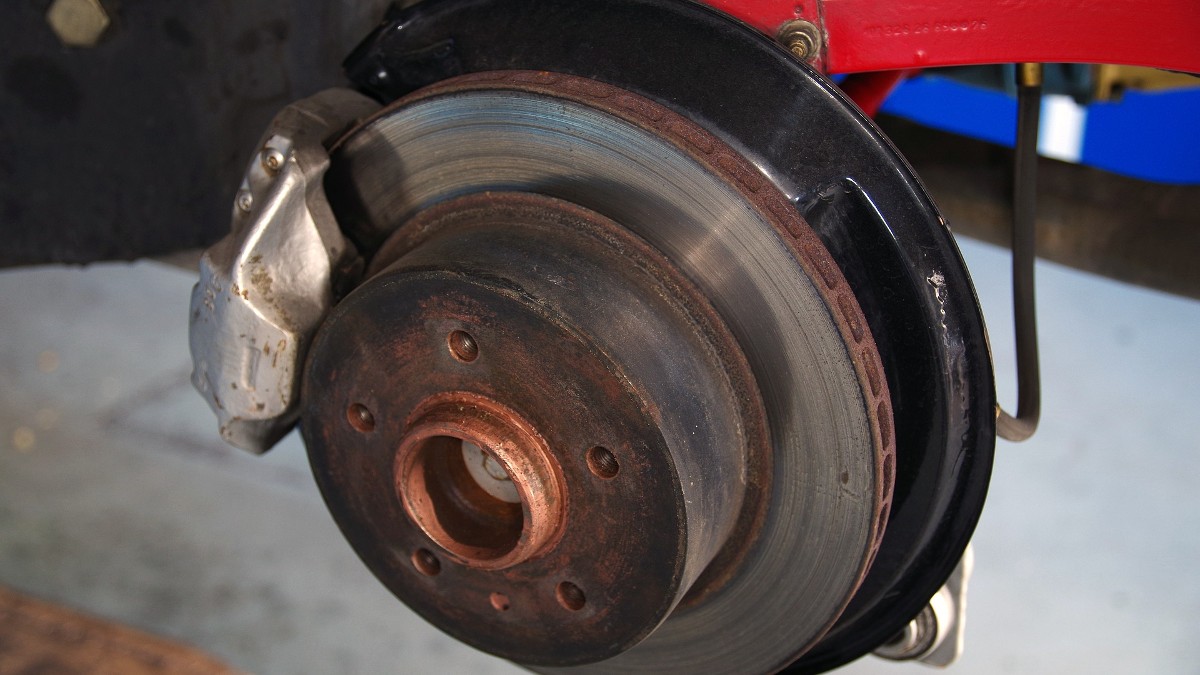
At its core, brake squeaking comes from vibrations between the pads and discs during braking. These vibrations turn into high-pitched sounds, especially during gentle stops at low speeds like in city traffic or parking lots. Factors like moisture, temperature, and even the type of pad material play a big role in triggering the noise. Harder pads, common in SUVs or performance vehicles, resist heat well but tend to resonate more easily.
Many squeaks are completely normal and temporary. For instance, cold brakes often make noise right after you start driving, especially if the car sat overnight. A few firm stops usually warm everything up and quiet things down. The same happens after rain or a car wash when water lingers on the discs, and the sound fades as things dry out during normal driving.
New brakes also go through a break-in period that can last several hundred miles. Fresh pads and discs need time to settle in, and a bit of noise during those early drives is expected. As long as the squeaking gradually decreases and braking feels strong and smooth, there’s typically no cause for worry. These situations resolve on their own without any intervention.
The picture changes when the noise becomes persistent or changes in character. If squeaking happens with every stop, grows louder over time, or refuses to go away after the brakes warm up, that’s a red flag. Worn pads are a frequent culprit, often equipped with small metal indicators that scrape the disc to alert you replacement is overdue. Uneven disc wear or stuck caliper parts can create similar ongoing sounds.
Pay extra attention if the squeak comes with other symptoms like pedal vibrations, uneven pulling during braking, or a longer stopping distance. These signs suggest the system isn’t working at full efficiency, even if it still stops the car. Continuing to drive this way risks damaging the discs, which jacks up repair costs significantly. More importantly, reduced braking power compromises safety, especially in emergency situations or when carrying heavy loads.
Neglecting brake issues doesn’t just hit your wallet harder down the line. It also affects everyday driving comfort with constant noises and an unreliable feel underfoot. The brake system endures massive stress from heat and mechanical forces, so early attention keeps everything reliable. Regular awareness of how your brakes sound and feel goes a long way toward preventing small problems from becoming big ones.
In the end, short-lived squeaks tied to cold, wet, or brand-new brakes are usually nothing to stress about. But persistent noise that intensifies or pairs with performance changes demands prompt professional inspection. Catching issues early saves money, preserves stopping power, and most critically keeps you and others safe on the road. Mechanics can quickly diagnose whether it’s a simple pad swap or something more involved.
Have you ever dealt with mysterious brake squeaks that turned out fine or needed real repairs? Share your experiences in the comments.