Rules Regarding Front Headlight Colors And What Is Actually Permitted
Many car enthusiasts love to modify their vehicles to make them stand out on the road. One common change involves swapping out standard halogen bulbs for aftermarket options that mimic the look of expensive xenon or LED systems. Drivers often believe that bluish headlights give their car a modern and premium appearance similar to luxury models. However, regulations regarding vehicle lighting are strict for safety reasons that every driver should understand. It is important to know that simply changing a bulb can render a vehicle technically defective.
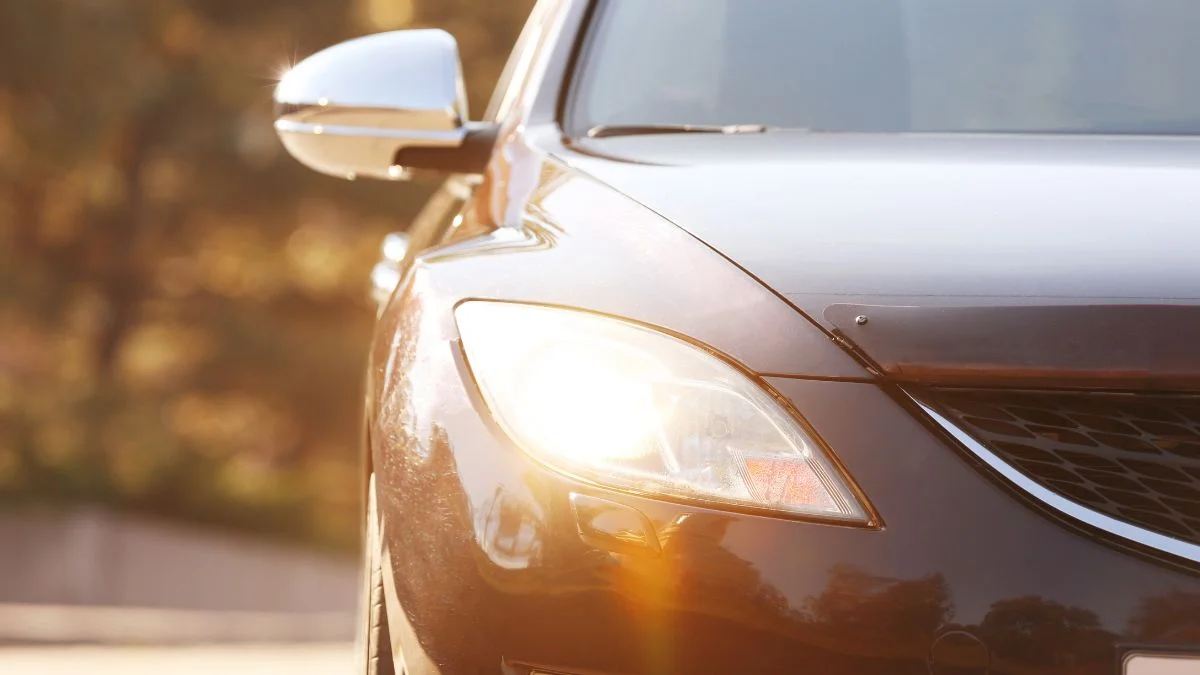
The official rules state clearly that the main headlights on a vehicle must emit white light. According to the Ordinance on Technical Conditions of Vehicles in Road Traffic, specifically Article 26, no other color is permitted for the low and high beams. This regulation exists to ensure consistent visibility for the driver and to prevent blinding oncoming traffic. Using bulbs that emit a distinct blue or violet hue is a direct violation of these traffic laws. Authorities enforce this strictly because non-standard lighting is a major cause of distraction on highways.
There are very few exceptions to this strict white light rule in the current legislation. Older vehicles that have been classified as oldtimers are legally allowed to use yellow headlights if they were original to the car. Additionally, front fog lights are permitted to emit either white or yellow light depending on the preference of the owner. Any other deviation from these standards will likely result in a failure during the annual technical inspection. Inspectors pay close attention to the color spectrum during the headlight test.
Understanding color temperature is essential when choosing replacement bulbs for your car. Light color is measured in Kelvins, and standard halogen bulbs usually sit around 3200K while factory xenon lights range between 4300K and 5000K. Problems arise when drivers install cheap aftermarket kits that go beyond 6000K because the light becomes noticeably blue. Authorities and inspection centers consider anything above this range to be illegal because it reduces road safety. Many drivers mistakenly think higher Kelvin numbers mean brighter light, but that is incorrect.
Blue light actually provides poorer visibility in adverse weather conditions like rain or fog compared to white or yellow light. The shorter wavelength of blue light scatters more easily against water droplets and causes glare that tires the eyes. This means that while blue headlights might look unique, they actually make driving harder and more dangerous at night. Inspection stations are trained to spot these non-compliant bulbs immediately during routine checks using specialized equipment. You could be ordered to remove the illegal parts on the spot during a police stop.
Drivers should also remember the strict color coding for other exterior lights to avoid fines. Rear position lights and brake lights must always be red without exception to avoid confusing drivers behind you. Turn signals are required to be amber or yellow to clearly indicate a change in direction. The only white light allowed at the rear of the vehicle is the reversing light that activates when backing up. Even the license plate lights must be white to ensure the registration is readable.
Investing in high-quality bulbs from reputable manufacturers is the best way to stay safe and legal. Approved bulbs carry an E-mark certification which guarantees they meet the necessary standards for road use. Avoiding cheap uncertified modifications ensures you will pass your technical inspection and avoid trouble with traffic police. It is always better to prioritize functional visibility over aesthetic trends that might compromise safety. Keeping your car compliant helps everyone arrive at their destination safely.
Tell us what you think about these strict headlight regulations in the comments.