How Long You Must Drive To Recharge A Car Battery Drained By Winter Cold
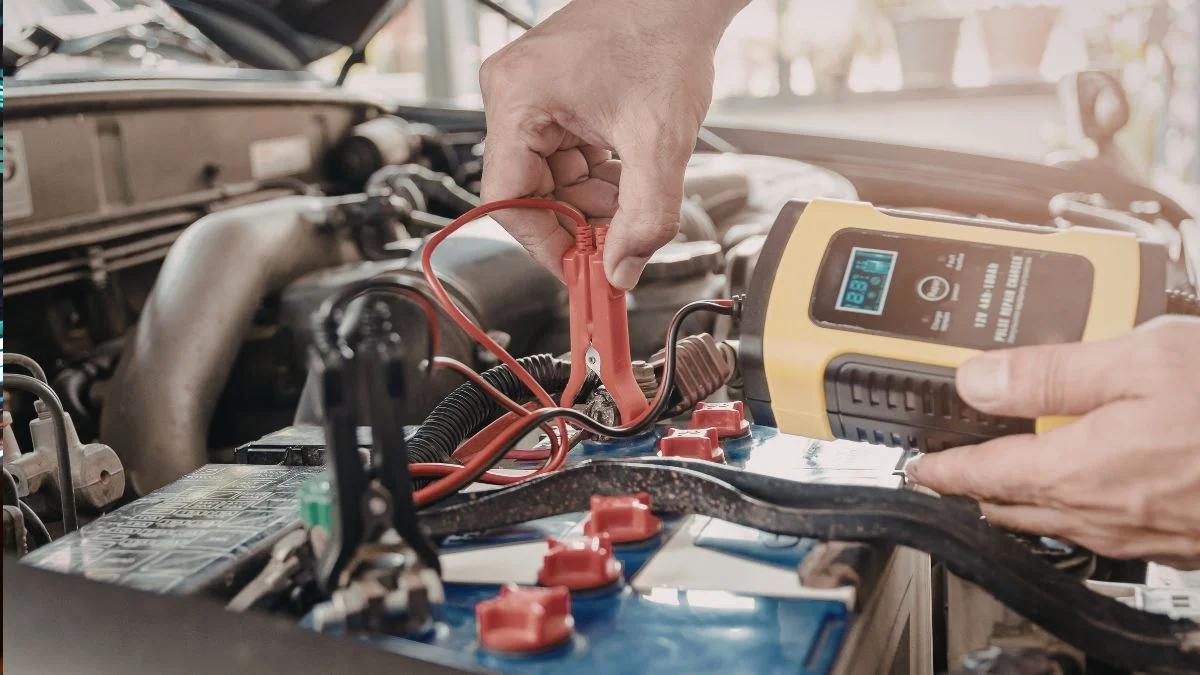
Most drivers have experienced the sinking feeling of turning the ignition key on a freezing morning only to hear a weak clicking sound. Winter weather is notoriously difficult on vehicle components and the battery is often the first victim of the drop in temperature. Chemical reactions inside the power cell slow down significantly when the thermometer plunges and this reduces the energy available to crank the engine. Older batteries are particularly susceptible to this phenomenon and can lose their charge completely overnight. The immediate solution usually involves jump leads and a helpful neighbor but the real question arises once the engine is finally running.
Many people wonder exactly how far or how long they need to drive to ensure the battery is sufficiently recharged for the next start. The German Auto Club ADAC has weighed in on this common winter dilemma with some professional advice. Their experts emphasize that there is unfortunately no single magic number that applies to every vehicle or situation. The time required to replenish the energy lost during a cold start depends on numerous variable factors. These include the age and condition of the battery itself as well as the output power of the alternator.
The outside temperature also plays a critical role in how efficiently the battery can accept a new charge from the running engine. A battery that is already near the end of its lifespan will struggle to hold a charge regardless of how long you drive. ADAC suggests that a simple trip around the block is definitely not enough to restore the power levels. Short journeys are actually detrimental to battery health in winter because the car consumes a vast amount of energy just to start the engine. Driving for only a few minutes does not give the alternator enough time to replace that spent energy.
You should aim for a longer period of continuous driving to allow the system to recover. While ADAC avoids giving a precise minute count due to the variables involved it is generally widely accepted in the automotive community that at least half an hour is necessary. This drive should ideally be at a steady speed rather than stop-and-go city traffic to maximize the alternator’s efficiency. Another crucial tip for faster recharging is to manage your electrical consumers wisely while driving.
Modern cars are packed with energy-hungry features that compete with the battery for power from the alternator. Things like heated seats and heated steering wheels or rear window defrosters consume a significant amount of electricity. If your main goal is to recharge a flat battery you should keep these non-essential accessories turned off until the battery is healthy again. Focus on driving a moderate distance without shutting off the engine to ensure you are not stranded again the next time you try to start your car.
We would love to hear about your own experiences with winter car troubles and any tips you might have for keeping your vehicle running in the cold so please share your thoughts in the comments.